

Turf Toe
You're currently browsing our entire selection of products suitable for Turf Toe. Use the product filters below to narrow your selection, or contact us if you have any questions or for a recommendation. Thank you for shopping with us!
Best for Turf Toe
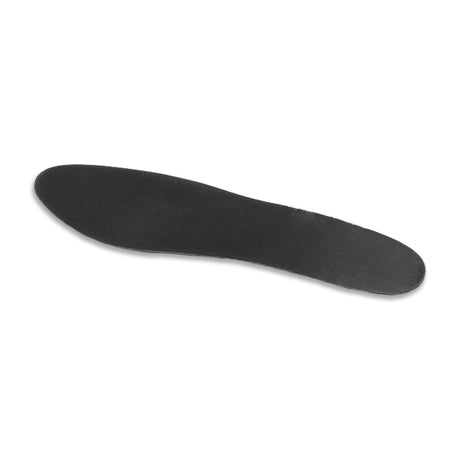
OC9 Hallux Rigidus & Limitus Contoured Insole
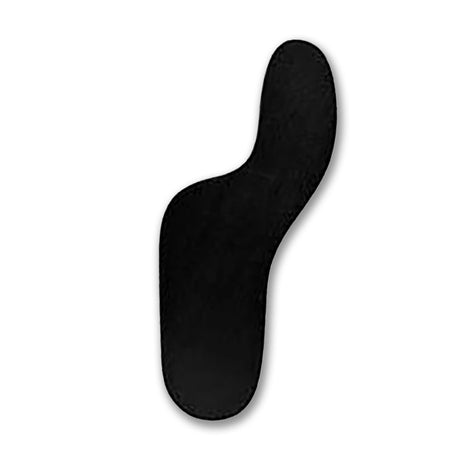
OC9 Morton's Toe Carbon Fiber Contoured Insole
OS1st TT3 Turf Toe Bracing Sleeve
PowerStep Morton's Toe Insoles
OC9 Hallux Rigidus & Limitus Contoured Insole
OC9 Morton's Toe Carbon Fiber Contoured Insole
OS1st TT3 Turf Toe Bracing Sleeve
PowerStep Morton's Toe Insoles
Shop All for Turf Toe
Shop for:
OC9 Hallux Rigidus & Limitus Contoured Insole
$64.95Unit priceOC9 Morton's Toe Carbon Fiber Contoured Insole
$64.95Unit priceOS1st TT3 Turf Toe Bracing Sleeve
$29.99Unit pricePowerStep Morton's Toe Insoles
$85.00Unit price- From $38.95Unit price
OC9 Hallux Rigidus & Limitus Flat Insole
$64.95Unit priceSteel-Flex SoleGUARDZ Puncture Resistant Insoles
$32.49Unit price
Turf toe occurs when the big toe is hyperextended — forced upward beyond its normal range of motion — which sprains the plantar plate and surrounding ligaments at the metatarsophalangeal (MTP) joint at the base of the big toe. The injury is named for its association with artificial turf, where the firm, low-friction surface allows the foot to plant firmly while the body's momentum forces the toe into extreme dorsiflexion. The result is pain, tenderness, and swelling directly at the base of the big toe that makes the push-off phase of walking or running particularly difficult. Turf toe ranges from mild (Grade 1, a minor stretch) to severe (Grade 3, a complete ligament tear), and recovery time varies accordingly.
The product strategy for turf toe focuses on protecting the injured joint by limiting the big toe's upward range of motion — the same movement that caused the injury and that aggravates it during activity. Rigid carbon fiber or steel insoles with a toe extension prevent the shoe from bending at the MTP joint during push-off, while toe bracing sleeves apply external resistance to excessive dorsiflexion. Reducing joint motion during the healing phase is the primary product goal — the less the injured ligaments are stretched with each step, the more effectively they can recover.
How to Choose
Insole rigidity. Limiting big toe dorsiflexion requires a rigid insole — soft and semi-rigid options will flex with the shoe and allow the MTP joint to bend despite the insole's presence. Carbon fiber and steel plates are the appropriate materials for turf toe. The stiffer the plate, the more effectively it prevents toe-up bending during push-off.
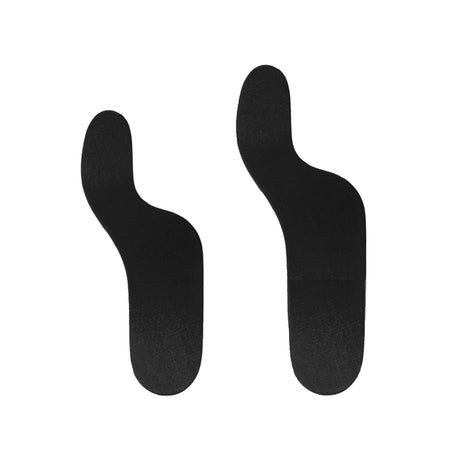
Toe extension design. Insoles designed specifically for turf toe and related conditions typically include a toe extension — a plate that runs all the way under the big toe, preventing it from hinging upward independent of the shoe. This is more effective than a plate that stops at the ball of the foot, which may still allow some MTP joint motion.
Toe bracing sleeve fit. Bracing sleeves for turf toe apply targeted resistance to big toe dorsiflexion from the outside of the foot. They work best in combination with a rigid insole — the insole limits motion at the shoe level, while the sleeve limits motion at the joint level. For milder cases or activities where a rigid insole isn't practical, the sleeve provides meaningful protection on its own.
Acute vs. returning-to-activity phase. During the acute phase of turf toe, maximum protection is the priority — the most rigid insole and bracing combination available. As symptoms improve and activity resumes, a slightly more flexible option may be more comfortable while still providing adequate protection. Stackable or adjustable products allow you to reduce restriction progressively.
Shoe stiffness. A rigid insole works best in a shoe that is already relatively stiff at the forefoot. A flexible athletic shoe can partially negate the insole's protection. Stiff-soled athletic shoes, cleats, or work boots are the most compatible footwear for turf toe management.
How Different Products Help with Turf Toe
Rigid Insoles (Carbon Fiber / Steel)
Rigid carbon fiber and steel insoles are the most effective product-based intervention for turf toe. By preventing the shoe from bending at the forefoot during push-off, they eliminate the movement that forces the MTP joint into dorsiflexion. The degree of protection provided depends on how rigid the plate is and how far under the toe it extends. Plates specifically designed for turf toe typically include a full-length toe extension; flat plates for related conditions like hallux rigidus can also be adapted for turf toe management. A rigid insole is the most important single product for managing turf toe during activity — without joint motion restriction, other products provide primarily symptomatic comfort rather than protective function.
Supports & Braces
Toe bracing sleeves for turf toe provide external resistance to big toe dorsiflexion, complementing the protection that rigid insoles provide at the shoe level. They are particularly useful during activity in flexible footwear where a rigid insole isn't practical, or as an additional layer of protection during the return-to-sport phase when joint motion restriction is still needed but maximum rigidity is no longer required. The OS1st TT3 and similar turf toe sleeves use a dynamic tension band under the big toe that absorbs force and limits hyperextension without completely immobilizing the joint. Supports and braces for turf toe work best alongside rigid insoles rather than as a standalone solution for moderate to severe cases — the sleeve protects the joint from external stress while the insole prevents the shoe itself from forcing the joint into the problem position.
Frequently Asked Questions
How is turf toe different from hallux rigidus, and does it require different products?
Turf toe is an acute ligament sprain — it's an injury with a recovery timeline. Hallux rigidus is a chronic degenerative condition involving joint stiffness that typically develops over time. Both conditions benefit from limiting big toe dorsiflexion, and the products used are largely the same (rigid insoles, toe bracing sleeves). The main practical difference is that turf toe management is time-limited — the goal is protecting the joint while the sprain heals — whereas hallux rigidus management is ongoing. Products appropriate for turf toe are also effective for hallux rigidus, and vice versa.
Can I continue playing sports with turf toe?
With appropriate protection, mild turf toe often allows continued activity at reduced intensity. Rigid insoles and a toe bracing sleeve in stiff-soled footwear provide meaningful joint protection that many athletes use to play through Grade 1 or mild Grade 2 injuries. More severe cases typically require rest from high-impact activity. The key indicator is whether the pain during push-off is manageable with protection — if a stiff insole eliminates most of the pain during activity, it's a reasonable signal that the joint is adequately protected. If pain persists despite maximum protection, reduced activity is the appropriate approach.
I need to use a rigid insole — where exactly does it go in the shoe?
The rigid plate typically goes underneath your existing insole or arch support — between the cushioning layer and the shoe sole. This allows the plate to prevent the shoe from bending while keeping the comfort layer against your foot. Some people find that placing the plate directly under a thin sock liner is more effective for stiffness; the right placement depends on the shoe construction and how much total rigidity you need. Check the manufacturer's guidance for the specific product you're using.
How long do I need to wear the rigid insole?
For turf toe specifically, rigid insole use continues as long as the joint is symptomatic during push-off — typically several weeks for mild sprains, longer for more severe injuries. A practical way to assess readiness to reduce restriction is to try walking or light activity in a more flexible shoe: if push-off remains pain-free, gradual reduction in protection is appropriate. If symptoms return when protection is reduced, the joint needs more time.
Will a toe bracing sleeve fit in athletic shoes or cleats?
Yes, most toe bracing sleeves are low-profile enough to fit in athletic shoes and cleats without significantly changing the fit. The main consideration in cleats is that the forefoot area is often tighter; the sleeve adds some bulk under the toe, so going up half a size or trying the sleeve in the shoe before purchasing is advisable. For cleats specifically, the sleeve is often more practical than a rigid insole, which can be difficult to fit in the tighter cleat volume.
Need More Info? Not Sure Where to Start?
You can find our top recommendations at the top of the page. These recommendations are selected based on our overall most-recommended products for Turf Toe and are an excellent place to start if you're not sure which products to try first.
Need more help? Our team is here! Simply contact us and we'd be happy to answer any questions you may have or provide you with some product recommendations personalized to your needs!