Why Do My Feet Hurt at the End of the Day?
By the time you finally kick off your shoes at night, your feet can feel like they've run a marathon, even if you spent the day behind a desk or...
Read moreWe're proud to be a top-rated store!



Birkenstock Sport Blue Footbed Arch Support Insoles


Birkenstock Tradition Blue Footbed Arch Support Insoles


Pedag Viva Orthotic Arch Support Insoles


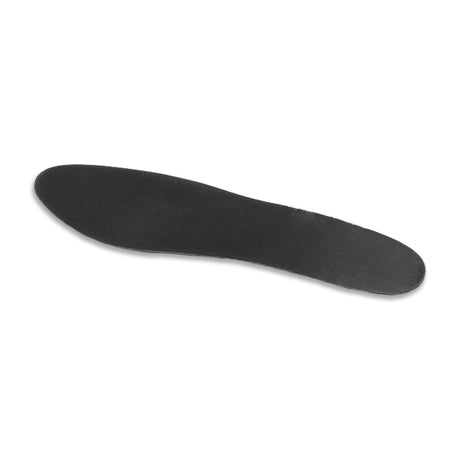
OC9 Hallux Rigidus & Limitus Contoured Insole
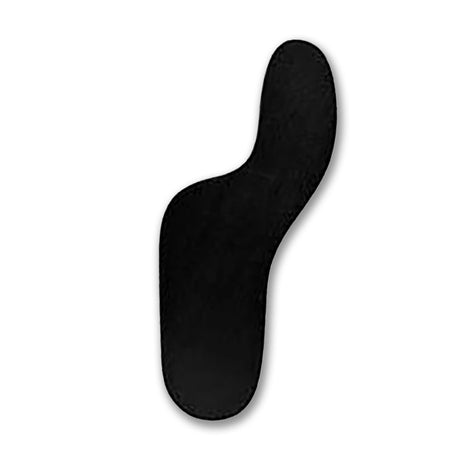
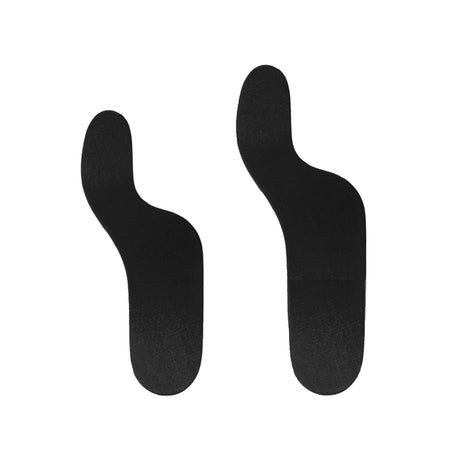
OC9 Morton's Toe Carbon Fiber Contoured Insole


Pedag Holiday Orthotic Arch Support Insole


Pedag Lady 3/4 Leather Insoles - Tan
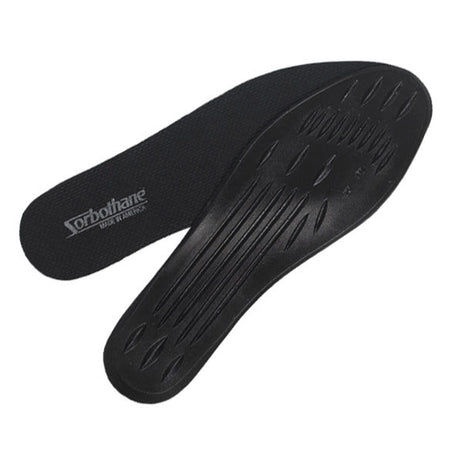
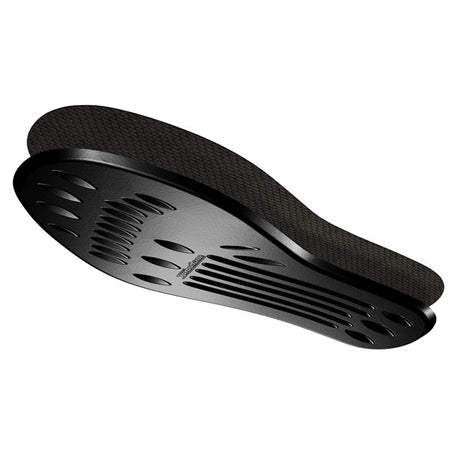
Sorbothane Classic Full Sole Insoles


Pedag Viva Mini Orthotic Insoles


FORM Narrow Maximum Support Insole

Need help? Want a personalized recommendation?
Our team can help! Contact us or use our Insole Selector Quiz!
Narrow insoles are designed for the specific proportions of narrow-width feet and footwear. A standard-width insole placed in a narrow shoe doesn't lie flat; it curls or folds at the edges, which changes its support properties, creates pressure points, and causes the insole to shift during wear. A narrow insole is dimensioned to fit within a narrow shoe's interior without this edge conflict, providing proper arch support and cushioning in its correct position rather than in a compromised, folded state. For people who wear narrow-width (A or 2A) or medium-narrow shoes, a narrow insole is the appropriate format rather than a standard-width design trimmed down or forced to fit.
A narrow insole sits flat and correctly positioned within a narrow shoe, maintaining the arch support and heel cup geometry that the insole is designed to provide. A standard insole that folds at the edges displaces the arch support from its correct position under the foot's arch, often creating a ridge at the arch or pushing the foot into an unnatural position. A correctly sized narrow insole eliminates this issue entirely, delivering support where the foot needs it.
An oversized insole in a narrow shoe shifts laterally during wear as the shoe's interior pushes its edges upward and sideways. This shifting disrupts the insole's contact with the foot and can cause friction and hot spots at the fold points. A narrow insole that fits the shoe's width correctly stays in position and maintains consistent contact with the foot throughout the day.
The arch support, heel cup geometry, and cushioning of an insole are designed to function when the insole lies flat. Folding or bunching compromises these properties. A narrow insole in the correct shoe delivers the full intended support and cushioning benefits, while a standard insole forced into a narrow shoe provides a diminished version of both.
Trimming a standard insole narrower is possible in theory but problematic in practice. Removing material from the sides of an insole cuts through the edge of the arch support, often removing part of the structure that holds the arch in place and changing the geometry of the heel cup. The result is a modified insole that no longer performs as designed. A narrow insole proportioned from the outset for narrow-width feet maintains the correct structural relationships between the arch, heel, and forefoot zones throughout.
If your shoes are marked as narrow (A, 2A, or N width), or if a standard insole folds up at the sides when placed in your shoe, you need a narrow insole. You can also check by placing a standard insole inside the shoe without inserting your foot: if it lies flat and matches the shoe's interior width without curling, a standard width is appropriate. If the edges push upward or the insole doesn't sit flat, a narrow insole is needed.
Our team is always happy to lend a hand! If you need any help at all, contact us! We can assist with answering product questions, making a product recommendation, helping to place your order, or providing any other assistance you may need.
There don't appear to be any related articles at the moment, but we update our blog with new content regularly. In the meantime, check out these recent posts!