

Hallux Rigidus & Limitus
You're currently browsing our entire selection of products suitable for Hallux Rigidus & Limitus. Use the product filters below to narrow your selection, or contact us if you have any questions or for a recommendation. Thank you for shopping with us!
Best for Hallux Rigidus & Limitus
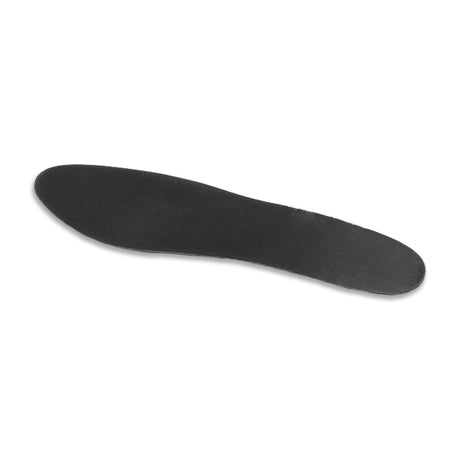
OC9 Hallux Rigidus & Limitus Contoured Insole
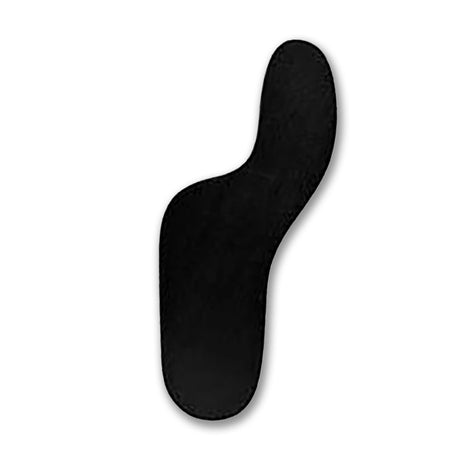
OC9 Morton's Toe Carbon Fiber Contoured Insole
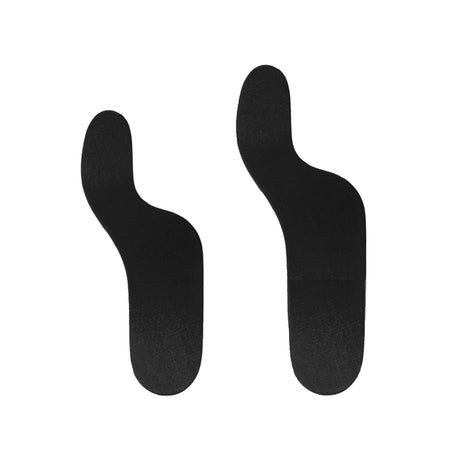
PowerStep Morton's Toe Insoles
OS1st TT3 Turf Toe Bracing Sleeve
OC9 Hallux Rigidus & Limitus Contoured Insole
OC9 Morton's Toe Carbon Fiber Contoured Insole
PowerStep Morton's Toe Insoles
OS1st TT3 Turf Toe Bracing Sleeve
Shop All for Hallux Rigidus & Limitus
Shop for:
OC9 Hallux Rigidus & Limitus Contoured Insole
$64.95Unit priceOC9 Morton's Toe Carbon Fiber Contoured Insole
$64.95Unit priceOC9 Hallux Rigidus & Limitus Flat Insole
$64.95Unit pricePowerStep Morton's Toe Insoles
$85.00Unit priceOS1st TT3 Turf Toe Bracing Sleeve
$29.99Unit price- From $38.95Unit price
Steel-Flex SoleGUARDZ Puncture Resistant Insoles
$32.49Unit price
The metatarsophalangeal (MTP) joint at the base of the big toe needs to bend upward significantly during the push-off phase of every step. When that joint becomes arthritic or otherwise restricted, the bending motion becomes limited (hallux limitus) or nearly impossible (hallux rigidus), producing pain directly at the joint during walking, particularly at push-off. The condition often begins as intermittent stiffness and aching that worsens with activity, and may be accompanied by swelling, a bony prominence on top of the joint, or a callus from the toe rubbing against the shoe.
Because the pain in hallux rigidus and limitus occurs specifically during big toe dorsiflexion, the most effective product approach is to limit how much the toe needs to bend during walking. Rigid or semi-rigid carbon fiber insoles with a Morton's extension — a plate that runs under the big toe — reduce the bending demand on the joint mechanically, while toe bracing sleeves provide external support that limits the same motion. The goal is to allow comfortable walking by routing the push-off force around the restricted joint rather than through it.
How to Choose
Insole rigidity. For hallux rigidus and limitus, the insole's primary job is to limit big toe dorsiflexion — and that requires rigidity. Soft or semi-rigid insoles won't accomplish this effectively. Rigid carbon fiber or steel-plated insoles are the appropriate choice for this condition; they prevent the toe from bending at push-off, which is what reduces the pain.
Morton's extension vs. full-rigidity plate. Some insoles are designed with a standard rigid plate that runs the length of the foot, while others specifically include a Morton's extension — a slightly raised area under the big toe that actively limits its upward motion. The Morton's extension design provides more targeted relief at the MTP joint. Look for this feature specifically when selecting insoles for hallux rigidus or limitus.
Contoured vs. flat plate. Rigid insoles for this condition come in both flat and contoured versions. Flat plates are often placed under an existing insole or arch support to add rigidity without replacing the existing comfort layer. Contoured plates are designed to be worn directly and include some arch structure. The right choice depends on whether your existing insoles provide adequate comfort and support on their own.
Toe bracing sleeves. For milder restrictions or as a complement to a rigid insole, a toe bracing sleeve limits MTP joint dorsiflexion from the outside. These are useful during activity or when wearing footwear where a rigid insole isn't practical.
Shoe selection. Rigid insoles work best in shoes with a naturally stiff sole and a roomy toe box. A shoe that already flexes at the ball of the foot may partially defeat the purpose of a rigid insole. Stiff-soled athletic shoes, work boots, or shoes specifically designed for the condition are the most compatible footwear options.
How Different Products Help with Hallux Rigidus & Limitus
Rigid Insoles (Carbon Fiber / Steel)
Rigid carbon fiber and steel insoles are the most direct product intervention for hallux rigidus and limitus. By preventing the shoe from bending at the ball of the foot, they prevent the big toe joint from being forced into dorsiflexion during push-off — the precise movement that causes pain in this condition. Versions with a Morton's extension add an upward contour under the big toe that provides even more targeted joint protection. These insoles are typically placed under an existing arch support or insole and are not designed to be worn against the foot directly. For most people with hallux rigidus, a rigid insole is the most important product in managing daily walking pain — the degree of relief it provides is usually more immediate and significant than any other product in this collection.
Supports & Braces
Toe bracing sleeves for hallux rigidus and limitus work by applying external resistance to big toe dorsiflexion — limiting the upward bending motion at the MTP joint during the push-off phase of the gait. They're particularly useful as a complement to rigid insoles during higher-activity periods, or as a standalone option during lighter activity when a full rigid insole isn't necessary. Unlike rigid insoles, they don't change the shoe's flex characteristics, so they work best in shoes that are already relatively stiff at the forefoot. For hallux rigidus, bracing sleeves complement rather than replace rigid insoles — the combination provides more complete joint protection than either alone during active use.
Frequently Asked Questions
What's the difference between hallux limitus and hallux rigidus, and does it change what products I need?
Hallux limitus describes restricted — but not absent — motion at the big toe joint. Hallux rigidus describes severe restriction where the joint is nearly or completely stiff. The product approach is the same for both: limit the bending demand on the joint during walking. The main difference is degree. People with hallux limitus may find a semi-rigid insole with a Morton's extension sufficient; those with hallux rigidus typically need a fully rigid carbon fiber or steel plate to achieve meaningful pain reduction.
Do I put the rigid insole on top of or underneath my existing insole?
Typically underneath. The rigid plate goes between the shoe's factory insole (or your existing arch support) and the shoe sole. This allows the cushioning and comfort layer to remain against your foot while the plate prevents the shoe from bending at the forefoot. Some people find that placing the plate directly under the factory insole achieves better rigidity — it depends on the shoe construction. The manufacturer's placement guidance is the best reference for each specific product.
Can I wear these insoles in dress shoes or athletic shoes?
Rigid carbon fiber plates can be used in both, but fit and compatibility vary. In dress shoes, flat plates are often more practical because contoured insoles may be too thick. In athletic shoes, contoured rigid insoles tend to work well as long as the shoe has enough interior volume. The key is that the shoe itself should also be relatively stiff at the forefoot — a shoe that flexes easily at the ball will reduce the effectiveness of a rigid insole.
Will a toe brace alone be enough, or do I need a rigid insole as well?
For mild hallux limitus with moderate symptoms, a bracing sleeve alone may provide adequate relief during lower-impact activities. For more significant restriction or during extended walking, a rigid insole provides more complete protection because it limits joint motion at the shoe level. Using both together provides the most comprehensive coverage for daily activity.
These products are designed to limit toe movement — won't that feel unnatural?
There is usually a brief adjustment period. Walking with a stiff forefoot feels different initially because the normal push-off mechanics are altered. Most people adapt within a week or two, and the reduction in pain at push-off makes the gait change feel like a reasonable tradeoff. Starting with the product during shorter walks and gradually increasing duration helps the adjustment go more smoothly.
Need More Info? Not Sure Where to Start?
You can find our top recommendations at the top of the page. These recommendations are selected based on our overall most-recommended products for Hallux Rigidus & Limitus and are an excellent place to start if you're not sure which products to try first.
Need more help? Our team is here! Simply contact us and we'd be happy to answer any questions you may have or provide you with some product recommendations personalized to your needs!