What Is Wear-Molding? How Your Insoles Adapt to Your Feet Over Time
If your new insoles felt a little different on day one than they do now, that's not your imagination — it's wear-molding, a process that happens to every insole you...
Read moreWe're proud to be a top-rated store!



Spenco 3/4-Length Orthotic Arch Supports


Sof Sole Memory Plus Comfort Insoles


Sof Sole 3/4-Length Gel Arch W/ Memory Foam Insoles


Sof Sole Full-Length Orthotic Insoles


Birkenstock Birko Active Arch Support Insoles


Spenco 3/4-Length Arch Cushions


Spenco Total Support Gel Insoles


Birkenstock Air Cushion Full-Length Insoles


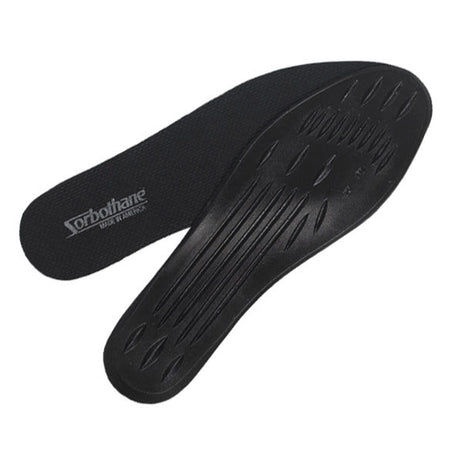
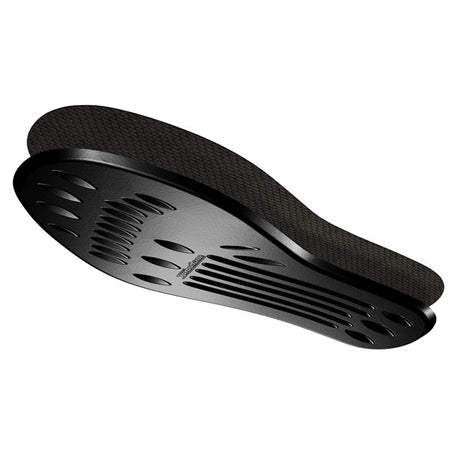
Sorbothane Classic Full Sole Insoles


ProThotics Comfort Gel Insoles


OS1st CS6 Performance Calf Sleeves


OS1st TA6 Thin Air Performance Calf Sleeves


PowerStep Performance Compression Sleeves for Men


Reebok Stabilize Insoles - Men's 3.5-5.5 / Women's 5-7
Baseball and softball cleats are among the tightest-fitting athletic footwear available, designed to maximize lateral stability and ground traction rather than comfort or cushioning. This leaves the foot with minimal internal support and almost no shock absorption from the shoe itself. The demands of the sport compound this: fielders and outfielders cover significant ground with explosive lateral cuts; pitchers generate and absorb substantial force through the drive foot and landing foot with every pitch; catchers spend extended periods in a deep squat with the feet under heavy compression. All of these movement patterns place considerable stress on the foot and lower leg in footwear that does little to manage it.
Cleats provide almost no structural arch support, leaving the foot to manage the lateral cutting, explosive acceleration, and deceleration demands of the sport without adequate midfoot stability. A structured arch support maintains the foot's alignment during these high-demand movements, reducing the strain on the plantar fascia and tendon that runs along the inside of the ankle that accumulates over a game or practice. For players prone to arch pain or overpronation, arch support in cleats is particularly important given the complete absence of corrective features in the shoe itself.
The hard, low-cushion construction of cleats transfers a significant amount of impact directly to the foot with every step and landing. Dedicated heel cushioning with energy-returning properties reduces this impact at the heel and helps translate some of that force into the next movement, supporting the explosive starts and stops that the sport demands. For catchers who repeatedly transition between the squat position and standing, heel cushioning also reduces the compressive load on the heel during extended crouching.
Quick directional changes in the field require the foot to generate and resist lateral forces with each cut. Without adequate insole support in the midfoot and heel, these lateral forces cause the arch to roll inward and the ankle to pronate excessively, reducing the efficiency of each cut and increasing injury risk. A well-fitting insole with a deep heel cup and structured midfoot support provides a more stable platform for lateral movement within the cleat.
Because cleats fit tightly, any insole used in them needs to be thin enough to fit without making the shoe uncomfortably snug. Thin full-length insoles and 3/4-length insoles are the most practical options for cleats, providing the support and cushioning benefits without significantly changing the shoe's fit. The factory insoles in most cleats are thin sock liners with minimal support, making even a modest aftermarket replacement a meaningful upgrade.
The essentials: Arch support and a thin, cleat-compatible profile are the most important features for baseball and softball insoles. The profile constraint is non-negotiable in most cleats: a thick insole simply won't fit. Within the thin profile, arch support and heel cushioning provide the most meaningful performance and comfort benefit over the factory sock liner.
It depends on the insole thickness and the cleat's existing volume. Most cleats come with a thin factory sock liner that can be removed, and replacing it with a thin aftermarket insole of similar thickness typically doesn't change the fit significantly. If the cleat is already snug, a 3/4-length insole is the practical choice, as it stops before the toes and takes up less space in the forefoot. Avoiding medium or thick full-length insoles in cleats is generally advisable unless the shoe has been purchased with extra room to accommodate them.
Catchers experience more compressive load at the heel and forefoot from sustained squatting than other position players, so insoles with stronger heel cushioning and fuller footbed support are more relevant for catching. Pitchers benefit from heel and forefoot cushioning to manage the repetitive impact on the drive foot and landing foot. For most fielding positions, the priority is a thin, supportive insole that provides arch support and lateral stability without compromising cleat fit.
Our team is always happy to lend a hand! If you need any help at all, contact us! We can assist with answering product questions, making a product recommendation, helping to place your order, or providing any other assistance you may need.
There don't appear to be any related articles at the moment, but we update our blog with new content regularly. In the meantime, check out these recent posts!