

Arch Support Insoles Aren't Just a Wedge — Here's What They Really Do
Most people assume an arch support is just a wedge of plastic shoved under the middle of the foot to fill empty space. That assumption is exactly backwards, and it's...
Read moreWe're proud to be a top-rated store!
Pedag Viva Orthotic Arch Support Insoles
PowerStep Original Orthotic Insoles
Spenco RX Thinsole 3/4-Length Orthotic Arch Supports
Pedag Holiday Orthotic Arch Support Insole
New Balance Slim-Fit Arch Support Insoles
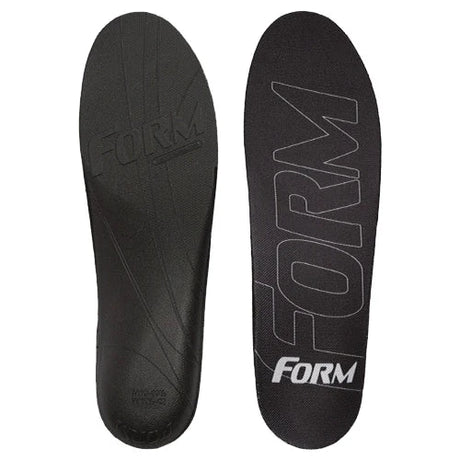
FORM Reinforced Maximum Support Insole
Sof Sole 3/4-Length Gel Arch W/ Memory Foam Insoles
Spenco 3/4-Length Arch Cushions
10 Seconds 3720 Arch Stability Insoles
Vionic Relief 3/4-Length Orthotic Insoles

Need help? Want a personalized recommendation?
Our team can help! Contact us or use our Insole Selector Quiz!
Office and dresswear footwear is designed for appearance rather than foot health, and the compromises that creates are significant. Dress shoes for men and women are typically narrow-toed, low-cushioned, and stiff-soled, with minimal arch support and a heel height that shifts weight forward onto the forefoot. Women's heels amplify this dramatically, redistributing a substantial proportion of bodyweight onto the metatarsal heads while shortening the calf muscle and Achilles tendon over time. Even moderate daily wear in dress footwear accumulates stress on the plantar fascia, forefoot, and arch that comfortable everyday shoes wouldn't cause. The challenge for dresswear insoles is fitting adequate support into a shoe that leaves very little room for it.
Most dress shoes provide no meaningful arch support, leaving the foot to sustain its own structure throughout a full workday. An insole with even modest arch support reduces the muscular fatigue and plantar fascia strain that builds up over hours of standing, walking between meetings, and sitting with weight on the feet. For people who wear dress shoes daily, consistent arch support is the single most effective intervention for reducing the chronic foot fatigue that office footwear causes.
Heeled dress shoes shift weight forward onto the metatarsal heads, and the hard leather sole beneath them provides no cushioning. An insole with a cushioned forefoot zone reduces the sustained pressure on the ball of the foot, particularly during periods of standing and walking that punctuate the typical office day. For women who wear moderate or high heels regularly, forefoot cushioning directly addresses the primary source of forefoot pain and fatigue.
Dress shoes leave almost no room for a standard insole, making profile the primary practical constraint. Thin full-length insoles and 3/4-length designs are the appropriate options for dresswear: they fit within the shoe's existing volume, don't change the fit at the toe box, and still provide meaningful arch support and cushioning. A 3/4-length insole is particularly practical for heeled footwear as it fits the shoe without reaching the narrowed toe box.
A metatarsal pad in the insole lifts the metatarsal shafts and redistributes load away from the metatarsal heads, directly offsetting the forward weight shift that dress shoes and heels create. For people who experience ball-of-foot pain or burning in dress footwear, metatarsal support provides targeted relief at the primary pressure point.
The essentials: A thin, dresswear-compatible profile is the first practical requirement for office insoles, since a thick insole simply won't fit in most dress footwear. Within that constraint, arch support and forefoot cushioning are the most impactful features. A 3/4-length insole is often the most practical form factor for dress shoes, particularly for heeled styles.
Yes, with the right form factor. Standard full-length insoles won't fit in most heeled shoes, but thin 3/4-length insoles designed for low-volume footwear work well. A 3/4-length insole provides arch support and forefoot cushioning without reaching the narrow toe box, and some designs include a metatarsal pad that specifically addresses the forefoot pressure that heels create. Adhesive-backed forefoot cushion pads are another option for very narrow heels where even a 3/4-length insole doesn't fit.
Remove the factory insole and compare it to the insole you're considering. Most dress shoes have a thin, glued-in or removable sock liner. If the factory liner is removable, it can be replaced with a thin aftermarket insole of similar dimensions. If it's glued in, a 3/4-length insole placed on top of the existing liner is the practical approach, provided the fit isn't already too tight. When in doubt, a 3/4-length insole adds less volume and is more likely to fit than a full-length design in restricted dress footwear.
Our team is always happy to lend a hand! If you need any help at all, contact us! We can assist with answering product questions, making a product recommendation, helping to place your order, or providing any other assistance you may need.
There don't appear to be any related articles at the moment, but we update our blog with new content regularly. In the meantime, check out these recent posts!