

Arch Support Insoles Aren't Just a Wedge — Here's What They Really Do
Most people assume an arch support is just a wedge of plastic shoved under the middle of the foot to fill empty space. That assumption is exactly backwards, and it's...
Read moreWe're proud to be a top-rated store!
Spenco Medics Diabetic Plus Insoles
New Balance Therapeutic Cushion Insoles
10 Seconds 3020 Pressure Relief Neutral Insoles
ProThotics Comfort Gel Insoles
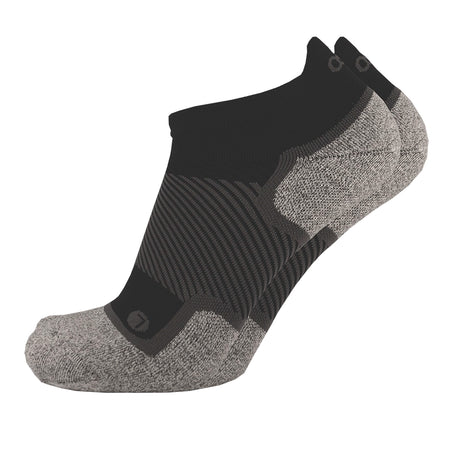
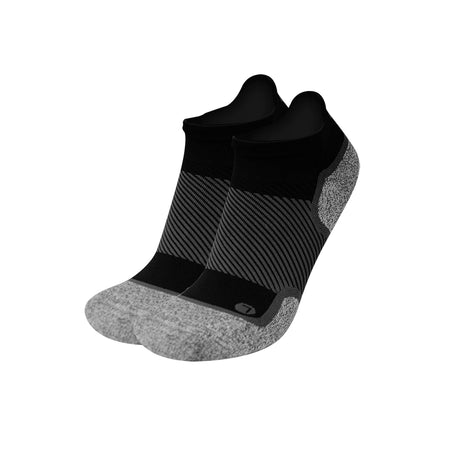
OS1st WP4 Wellness Socks - No Show
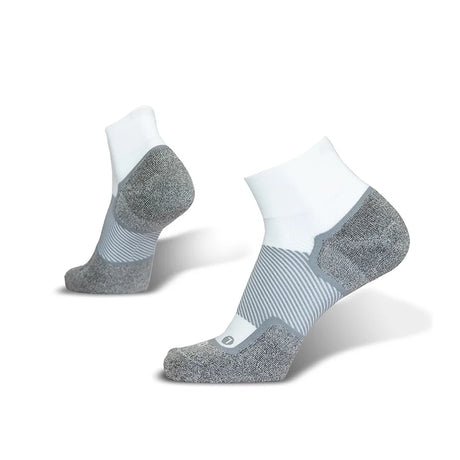
OS1st WP4+ Wellness Wide Socks - 1/4 Crew
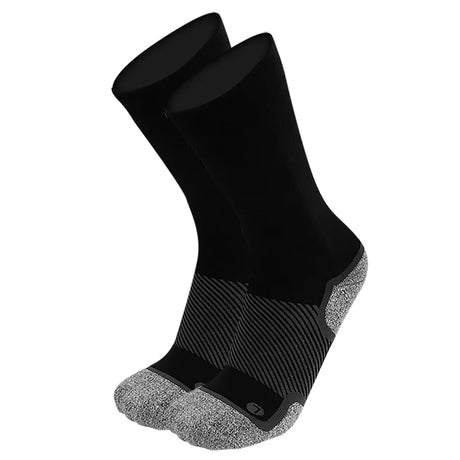
OS1st WP4 Wellness Socks - Crew
ProThotics Therapeutic Wide Diabetic Insoles
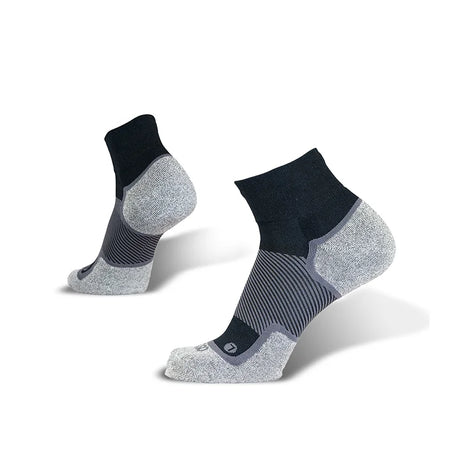
OS1st WP4 Wellness Socks - 1/4 Crew
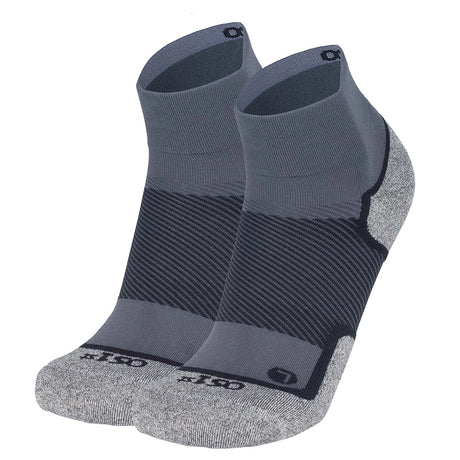
OS1st WP4+ Wellness Wide Socks - Crew
OS1st WP4+ Wellness Wide Socks - No Show
Superfeet Everyday Pressure Relief Insoles
ProThotics Therapeutic Standard Diabetic Insoles
ProThotics Therapeutic Anatomical Diabetic Insoles

Need help? Want a personalized recommendation?
Our team can help! Contact us or use our Insole Selector Quiz!
Diabetes and peripheral neuropathy change the foot's relationship with pressure and sensation in ways that make standard insole considerations insufficient. Peripheral neuropathy, nerve damage most commonly associated with diabetes, can affect the feet in two distinct ways. For some people, it produces heightened sensitivity or burning pain, where materials that most people find comfortable feel irritating or even painful. For others, it reduces sensation, making it harder to detect pressure points, blisters, or small injuries before they become serious. Both presentations share a common underlying need: an insole that manages pressure carefully, minimizes friction, and accommodates the foot without creating new problems.
For people with diabetes specifically, foot health is a medical priority. Reduced circulation and impaired wound healing mean that pressure sores and blisters that would be minor inconveniences for most people can escalate into serious complications. The standard of care for diabetic foot health includes protective footwear and insoles that minimize pressure concentration at any single point.
Distributing bodyweight evenly across the entire bottom of the foot is the primary function of a diabetic or neuropathic insole. By eliminating pressure concentration at the heel, metatarsal heads, and any bony prominences, a well-contoured insole reduces the risk of pressure sores and skin breakdown. This is particularly important for people with reduced sensation, who may not feel a developing pressure point until significant damage has occurred.
Accommodative insoles use soft, conforming materials, often Plastazote or similar foam, that mold to the foot's shape and provide a consistent, gentle cushioning surface. Unlike corrective insoles that impose a shape on the foot, accommodative insoles work with the foot's existing structure to cushion it without introducing new pressure points. For people with sensitive or painful feet, this approach prioritizes comfort and protection over structural correction.
Shear forces, the friction between the foot and the insole surface during walking, can cause blisters and skin breakdown even on feet with normal sensation. For diabetic feet, where skin integrity is critical, a smooth, low-friction top cover reduces this shear stress and protects the skin from mechanical irritation. Moisture-wicking materials that keep the foot dry also reduce the skin softening that makes feet more vulnerable to friction injury.
Adequate cushioning depth protects the foot's bony structures from the impact of walking on hard surfaces. For people with reduced fat pad thickness at the heel and forefoot, which is common in older adults and people with diabetes, this protective cushioning is even more important as the foot's natural shock absorption is diminished. An insole with substantial cushioning at both the heel and forefoot compensates for this loss of natural padding.
The essentials: Pressure distribution and accommodative cushioning are the non-negotiable features for diabetic and neuropathic insoles. Every other feature, including friction reduction and shock absorption, supports these two primary goals. Standard corrective insoles that prioritize arch correction over pressure distribution may not be appropriate for this population; look specifically for insoles designed for diabetic or sensitive feet.
Important: People with diabetes or significant peripheral neuropathy should consult a podiatrist or healthcare provider before selecting insoles, particularly if they have a history of foot ulcers, Charcot foot, or active foot wounds. Over-the-counter insoles can be part of a comprehensive foot care plan but are not a substitute for professional diabetic foot care.
Plastazote is a closed-cell polyethylene foam used widely in diabetic and orthopedic insoles because of its ability to conform to the foot's shape under heat and pressure. When worn, it molds to the exact contours of the individual foot, eliminating gaps and pressure points that standard insoles leave. It's also lightweight, non-irritating, and easily trimmed for custom fitting. These properties make it the standard material for accommodative diabetic insoles, where precise pressure distribution is the primary goal.
A poorly fitting or excessively firm insole can create new pressure points that, in a person with reduced sensation, go unnoticed until skin breakdown has occurred. Standard corrective insoles that prioritize rigid arch support over even pressure distribution may concentrate load at specific points rather than distributing it. This doesn't mean standard insoles are always inappropriate for people with diabetes, but it does mean that fit, cushioning quality, and pressure distribution should be evaluated more carefully than they would be for a person without diabetes.
In many cases, yes. Medicare and many private insurance plans cover therapeutic diabetic shoes and insoles for people with diabetes who meet specific medical criteria under the Therapeutic Shoe Program. This typically requires a prescription from a physician and fitting by a qualified provider. Over-the-counter diabetic insoles are generally not covered, but custom or semi-custom insoles prescribed as part of diabetic foot care often are. It's worth checking with your healthcare provider and insurer about coverage eligibility.
Our team is always happy to lend a hand! If you need any help at all, contact us! We can assist with answering product questions, making a product recommendation, helping to place your order, or providing any other assistance you may need.
There don't appear to be any related articles at the moment, but we update our blog with new content regularly. In the meantime, check out these recent posts!