Why Do My Feet Hurt at the End of the Day?
By the time you finally kick off your shoes at night, your feet can feel like they've run a marathon, even if you spent the day behind a desk or...
Read moreWe're proud to be a top-rated store!



PowerStep Original Orthotic Insoles


PowerStep Pinnacle 3/4-Length Insoles


Superfeet Sport Ultralight Insole


New Balance Slim-Fit Arch Support Insoles


Birkenstock Sport Blue Footbed Arch Support Insoles


Birkenstock Tradition Blue Footbed Arch Support Insoles


ProThotics Semi-Flex Full-Length Insoles
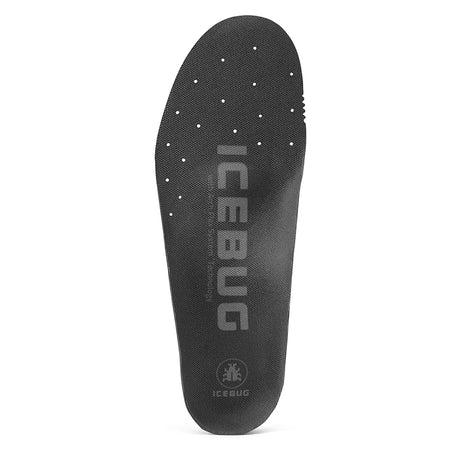
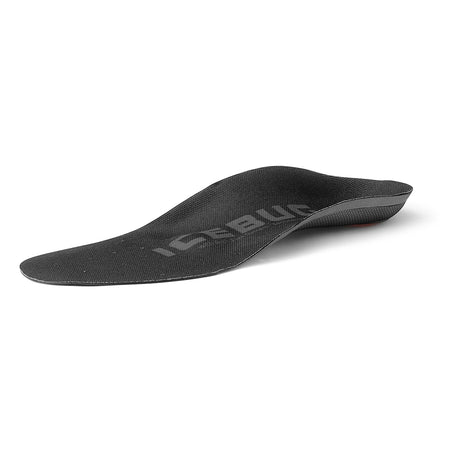


ProThotics Comfort Gel Insoles
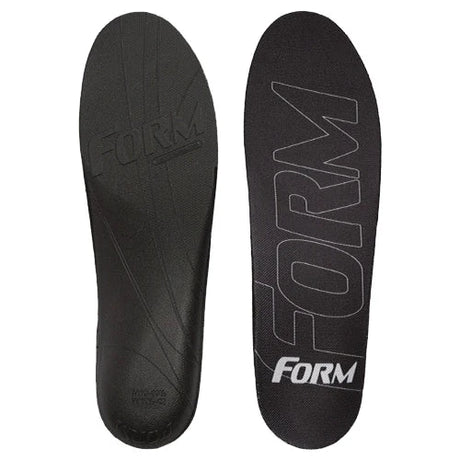

FORM Ultra-Thin Maximum Support Insole


Spenco Full-Length Orthotic Arch Supports


Sof Sole 3/4-Length Gel Arch W/ Memory Foam Insoles


Spenco Full-Length Arch Cushions

Need help? Want a personalized recommendation?
Our team can help! Contact us or use our Insole Selector Quiz!
Hockey skates, whether for ice or roller hockey, are among the most volume-constrained athletic footwear available. They're heat-molded to the foot for a precise fit, leaving almost no room for standard insoles. Despite this constraint, skate foot remains one of the most common complaints in hockey: the rigid boot, lack of internal cushioning, and the prolonged flexed-ankle position required for skating create a distinctive combination of pressure points, arch fatigue, and heel pain. The skating stride also places significant lateral forces through the foot and ankle with every push-off, demanding both structural support and precise fit to perform safely and comfortably.
The skating position requires the ankle to flex forward continuously, which loads the arch throughout every stride. Without adequate arch support, the arch fatigues progressively over a skate session, leading to midfoot pain and reduced skating efficiency. A structured arch support in the skate maintains the foot's alignment through this sustained flexed position, reducing arch fatigue and providing a more stable platform for the lateral push-off forces each stride generates.
Skates concentrate significant pressure on the heel and the ball of the foot during the push-off phase of each stride. Heel cushioning absorbs some of this pressure, while a deep heel cup keeps the heel centered and positioned correctly within the boot. Correct heel positioning in a skate also affects the fit and performance of the entire boot, as a heel that sits slightly high or off-center affects ankle alignment through each stride.
Skates have virtually no extra volume, and any insole used in them must be extremely thin. Most standard aftermarket insoles won't fit in a skate at all. Skate-specific insoles are designed with this constraint in mind, providing structural support and heel cushioning within a profile thin enough to fit without making the skate uncomfortably tight. Removing the factory footbed before inserting an aftermarket insole is standard practice in most skate applications.
The essentials: Arch support and a skate-compatible thin profile are the non-negotiable features for hockey insoles. The volume constraint of skates makes profile the first filter before any other consideration. Within that constraint, arch support and heel cushioning provide the most meaningful benefit for skate comfort and performance.
Tip: Always remove the factory footbed before inserting an aftermarket insole in a hockey skate. Most factory footbeds in skates are thin foam pads with no structural value; removing them and replacing with a skate-specific insole provides a meaningful upgrade without adding any volume to the fit.
Standard insoles are almost always too thick to fit in hockey skates without making them uncomfortably tight. Skate-specific insoles are designed to work within the volume constraints of the skate boot and are typically much thinner than standard athletic insoles. Using a standard insole in a skate risks compromising the fit in a way that affects both comfort and the performance characteristics the skate was designed to provide.
A well-fitted skate insole should improve feel and performance rather than diminishing it. Adequate arch support improves the stability and efficiency of each push-off stride; better heel positioning ensures the boot fits as intended. An insole that's too thick can reduce the ankle flex range that skating requires, which is why skate-specific thin profiles are essential. If skating feel changes negatively after adding an insole, the insole is likely too thick for the specific skate.
Our team is always happy to lend a hand! If you need any help at all, contact us! We can assist with answering product questions, making a product recommendation, helping to place your order, or providing any other assistance you may need.
There don't appear to be any related articles at the moment, but we update our blog with new content regularly. In the meantime, check out these recent posts!