Why Do My Feet Hurt at the End of the Day?
By the time you finally kick off your shoes at night, your feet can feel like they've run a marathon, even if you spent the day behind a desk or...
Read moreWe're proud to be a top-rated store!



PowerStep Morton's Toe Insoles


OS1st TT3 Turf Toe Bracing Sleeve

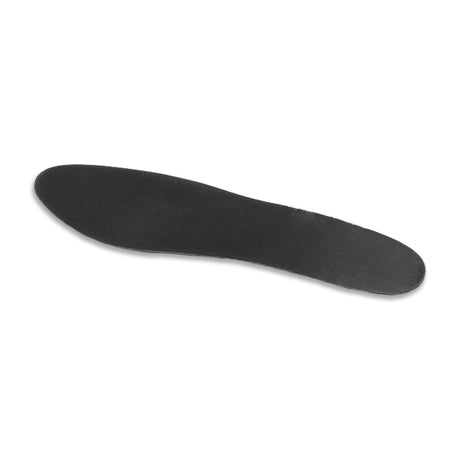
OC9 Hallux Rigidus & Limitus Contoured Insole
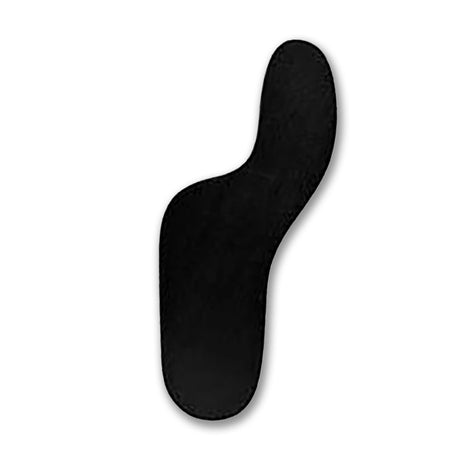
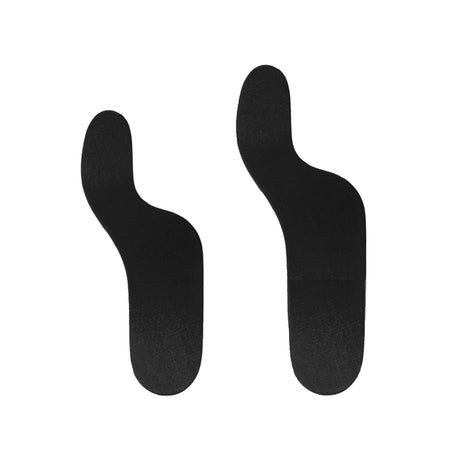
OC9 Morton's Toe Carbon Fiber Contoured Insole

OC9 Hallux Rigidus & Limitus Flat Insole


Steel-Flex SoleGUARDZ Puncture Resistant Insoles

Need help? Want a personalized recommendation?
Our team can help! Contact us or use our Insole Selector Quiz!
The joint at the base of the big toe at the base of the big toe needs to bend upward by around 60 degrees during the push-off phase of every step. When that joint becomes arthritic or otherwise restricted, this bending motion becomes limited in hallux limitus, or nearly impossible in hallux rigidus, producing pain, stiffness, and a disrupted gait pattern as the body compensates. Both conditions involve joint degeneration at the first big toe joint and exist on a spectrum of severity. The pain is typically felt at the top of the big toe joint and worsens with activities that require toe extension, including walking, running, climbing stairs, and standing on tiptoe. Over time, compensatory gait changes to avoid toe pain can cause secondary problems at the knee, hip, and lower back.
The most targeted insole intervention for hallux rigidus and hallux limitus is a Morton's extension, a rigid extension plate that runs under the big toe and prevents the first big toe joint from bending during push-off. By limiting the toe's range of motion at the joint, the extension eliminates the painful movement without changing gait in a disruptive way. This is the primary insole feature to seek for these conditions, and it produces a more direct reduction in joint pain than any cushioning approach alone can achieve.
A stiff insole base naturally limits forefoot flex during push-off, reducing the degree to which the first big toe joint must extend. While not as targeted as a Morton's extension, a rigid or semi-rigid base with minimal forefoot flexibility reduces joint loading throughout the walking stride and is appropriate for people with hallux limitus who need some motion restriction without complete immobilization.
Insoles for hallux rigidus work best in footwear with a rocker sole, which transfers the push-off load to a more proximal part of the foot and reduces the demand on the first big toe joint entirely. While the insole itself doesn't create a rocker effect, selecting an insole that works well within rocker-soled footwear maximizes the overall reduction in joint loading. This is worth considering when choosing both the insole and the footwear it will be worn in.
Maintaining proper foot alignment reduces the secondary compensatory stresses that develop when gait is altered to avoid big toe pain. Arch support keeps the foot in neutral alignment and helps distribute load more evenly, reducing the strain on adjacent joints and structures that bear extra load when the first big toe joint is avoided during push-off.
The essentials: Forefoot stiffening, ideally via a Morton's extension, is the most important feature for hallux rigidus and hallux limitus insoles. A rigid or semi-rigid base supports this by limiting overall forefoot flex. Arch support and rocker-compatible construction are valuable secondary features. Cushioning alone will not adequately address these conditions without some degree of forefoot motion restriction.
A Morton's extension is a rigid plate or extension built into the forefoot of an insole that runs under the big toe, preventing the first big toe joint from bending during push-off. By keeping the toe in a fixed, slightly extended position rather than allowing it to bend upward during the walking stride, the extension eliminates the painful range of motion without requiring the wearer to alter their gait significantly. It's the most effective conservative insole intervention for hallux rigidus and is often a standard component of custom orthotics prescribed for the condition.
Insoles can reduce the mechanical stress on the joint that contributes to further degeneration, and reducing that stress may help slow progression. However, hallux rigidus is a degenerative condition and will progress to some degree regardless of non-surgical treatment. Insoles are most effective at managing symptoms and maintaining function, and they're an important part of delaying or avoiding surgical intervention for many people with mild to moderate hallux rigidus.
Running with hallux rigidus is possible for many people, particularly in the earlier stages of the condition, with appropriate footwear and insole modifications. A rigid insole with a Morton's extension in a rocker-soled running shoe reduces the demand on the first big toe joint during each stride. However, running places significantly more demand on the joint than walking does, and pain levels during running can indicate whether the activity is appropriate for the current severity of the condition. Consulting a sports medicine provider or podiatrist is advisable before continuing high-impact activity with hallux rigidus.
Our team is always happy to lend a hand! If you need any help at all, contact us! We can assist with answering product questions, making a product recommendation, helping to place your order, or providing any other assistance you may need.
There don't appear to be any related articles at the moment, but we update our blog with new content regularly. In the meantime, check out these recent posts!