Why Do My Feet Hurt at the End of the Day?
By the time you finally kick off your shoes at night, your feet can feel like they've run a marathon, even if you spent the day behind a desk or...
Read moreWe're proud to be a top-rated store!



PowerStep Morton's Toe Insoles


OS1st TT3 Turf Toe Bracing Sleeve

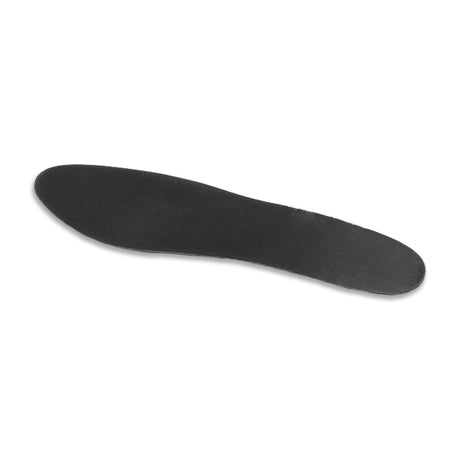
OC9 Hallux Rigidus & Limitus Contoured Insole
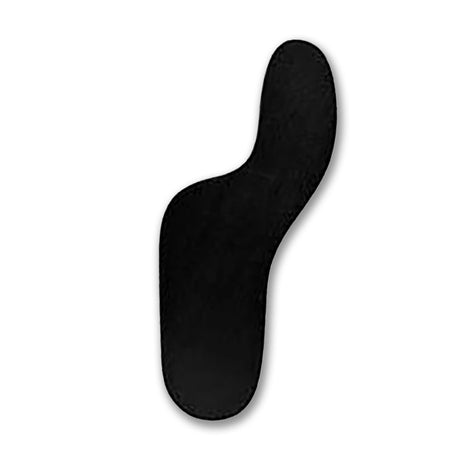
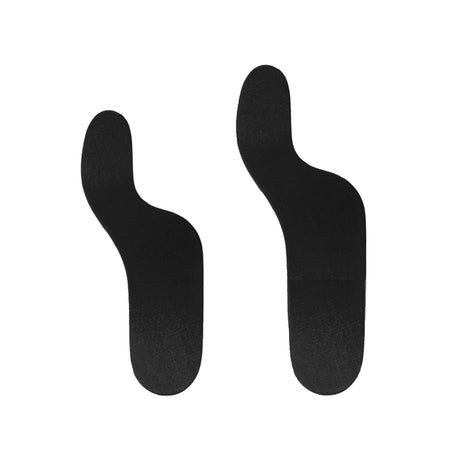
OC9 Morton's Toe Carbon Fiber Contoured Insole

OC9 Hallux Rigidus & Limitus Flat Insole


Steel-Flex SoleGUARDZ Puncture Resistant Insoles

Need help? Want a personalized recommendation?
Our team can help! Contact us or use our Insole Selector Quiz!
Turf toe occurs when the big toe is hyperextended, forced upward beyond its normal range of motion, which sprains the plantar plate and surrounding ligaments at the joint at the base of the big toe at the base of the big toe. The injury is named for its association with artificial turf, where the hard, unforgiving surface combined with flexible athletic footwear creates the conditions for the toe to be jammed upward during a plant or push-off. It's most common in football, soccer, and basketball players, but can occur in any activity where the forefoot is planted and the body's momentum drives the toe into forced extension. The pain is felt at the base of the big toe, worsens with push-off and bending upward, and can range from a mild sprain to a significant ligament injury that requires extended recovery time.
The most important insole feature for turf toe is a stiff forefoot plate that limits the big toe's ability to bend upward (bend upward) during activity. By restricting this motion, the insole reduces the force placed on the sprained plantar plate and ligaments during push-off, the phase of the walking stride where turf toe pain is most severe. A carbon fiber plate or rigid forefoot insert is the standard approach, and it's the same principle behind the Morton's extension used for hallux rigidus, though the intent differs: for turf toe it's protecting a sprained soft tissue injury rather than managing a degenerative joint condition.
Cushioning at the ball of the foot and beneath the big toe joint reduces the impact load that passes through the big toe joint with each footstrike. For turf toe, where the joint is acutely sensitive to both compression and extension forces, a cushioned forefoot zone provides some protection against the compression component of the injury's aggravation. It's most effective as a complement to forefoot stiffening rather than a standalone intervention.
Arch support helps maintain proper foot alignment and reduces the forefoot load that reaches the first big toe joint. For athletes returning to activity after turf toe, an insole with structured arch support distributes load more broadly and reduces the proportion of force that concentrates at the big toe joint during push-off and lateral movement.
The essentials: Forefoot stiffening is the single most important feature for turf toe insoles. Restricting big toe bending upward directly reduces stress on the sprained joint with every step and during athletic movement. Forefoot cushioning and arch support are valuable additions but secondary to the motion restriction that protects the injury during recovery and return to activity.
Mild grade 1 turf toe, which involves minor stretching of the joint capsule without ligament tearing, is often manageable with taping, stiff footwear, and an insole that limits toe extension. More significant injuries, particularly grade 2 and grade 3 sprains involving partial or complete ligament tears, typically require rest from high-impact and cutting activity to heal properly. Playing through a more serious turf toe injury risks converting a recoverable sprain into a chronic instability problem at the joint. A sports medicine evaluation is advisable for any turf toe that doesn't improve with a few days of non-surgical treatment.
Grade 1 turf toe typically resolves in one to two weeks with appropriate rest and protective footwear. Grade 2 injuries involving partial ligament tears may take three to six weeks. Grade 3 injuries with complete tears can require several months of recovery and, in some cases, surgical repair. Return to full athletic activity before the joint has adequately healed significantly increases the risk of re-injury and chronic joint instability.
Yes. Athletic taping that limits big toe bending upward works as a complement to a stiff insole, providing additional motion restriction at the joint level. Taping is particularly useful for athletes who need to return to activity before the insole alone provides sufficient confidence in the joint's protection. The combination of a rigid insole and appropriate taping provides more complete motion restriction than either approach alone.
Our team is always happy to lend a hand! If you need any help at all, contact us! We can assist with answering product questions, making a product recommendation, helping to place your order, or providing any other assistance you may need.
There don't appear to be any related articles at the moment, but we update our blog with new content regularly. In the meantime, check out these recent posts!