Why Cycling Shoes Need Special Insoles (And What to Look For)
Cycling is one of the most popular endurance sports in the world — but it places unique and often overlooked demands on your feet. In this article, we explore how...
Read moreWe're proud to be a top-rated store!

 Designed for Cycling
 Lightweight & Ultra Rigid
 + Metatarsal Support
 Slim-Fit Design
Designed for Cycling
Lightweight & Ultra Rigid
+ Metatarsal Support
Slim-Fit Design
Slim-Fit Design
Designed for Cycling
Lightweight & Ultra Rigid
+ Metatarsal Support
Slim-Fit Design


PowerStep Original Orthotic Insoles


Superfeet Sport Ultralight Insole


New Balance Slim-Fit Arch Support Insoles


OS1st FS4+ Compression Bracing Socks

10 Seconds 3720 Arch Stability Insoles


ProThotics Semi-Flex Full-Length Insoles


OS1st FS6 Performance Foot Sleeves


OS1st TA4 Thin Air Performance Socks


OS1st Wicked Comfort Performance No Show Socks


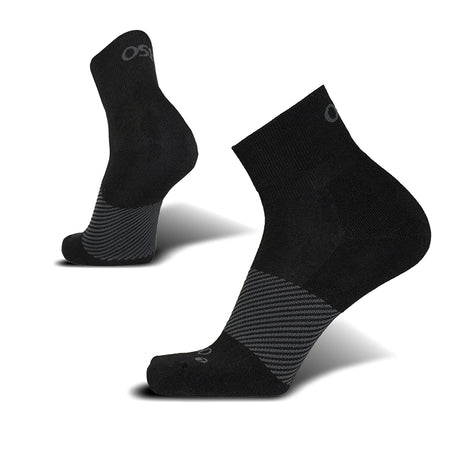
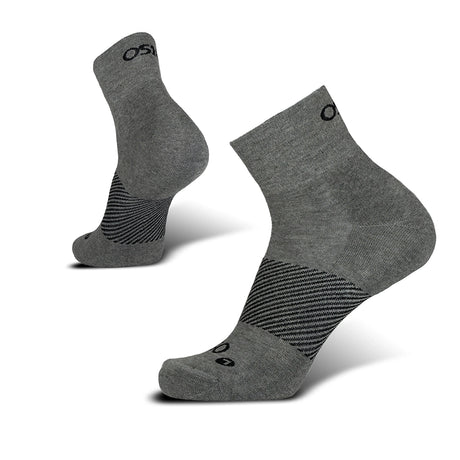
OS1st Wicked Comfort Performance 1/4-Length Socks
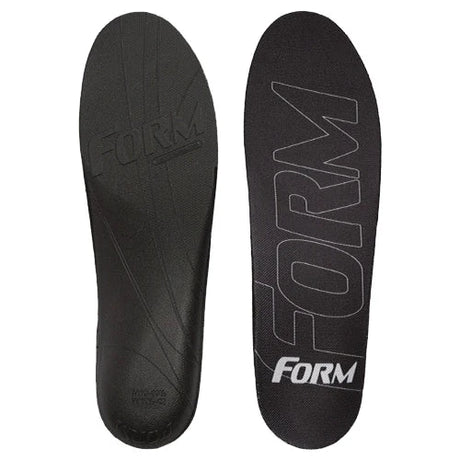

FORM Ultra-Thin Maximum Support Insole



Need help? Want a personalized recommendation?
Our team can help! Contact us or use our Insole Selector Quiz!
Cycling places a unique set of demands on the foot that differ fundamentally from walking and running. Rather than absorbing impact, the cycling foot transmits force, pressing through a rigid sole to drive the pedal stroke while maintaining a fixed position for long periods. Cycling shoes are typically very stiff, minimalist, and close-fitting, designed to maximize power transfer rather than cushioning or volume. This leaves little room for a standard insole, but the demands of the sport still warrant foot support. Common cycling-related foot complaints include hot spots and numbness at the ball of the foot from sustained forefoot pressure against the pedal, arch fatigue from the fixed position, and knee pain from foot alignment issues that alter the angle of the lower leg through the pedal stroke.
A rigid or semi-rigid arch support in a cycling insole serves a different function than in walking or running insoles. Rather than absorbing impact, the arch support in cycling maintains the foot's alignment on the pedal, ensuring that the force generated through the pedal stroke is transmitted efficiently from the arch and midfoot rather than dissipating into arch collapse. Poor arch support in cycling can also contribute to knee pain by allowing the foot to pronate on the pedal, which alters the tracking of the knee through the stroke.
The ball of the foot sits directly over the pedal axle during cycling, and the sustained pressure of the pedal against the metatarsal heads is the primary cause of the forefoot numbness and hot spots that many cyclists experience on longer rides. A metatarsal pad built into the insole lifts the metatarsal shafts and redistributes this pressure, reducing the concentration on the metatarsal heads. For cyclists who experience forefoot discomfort on longer rides, metatarsal support is the most targeted insole intervention available.
Cycling insoles need to be rigid enough to maintain their shape under the sustained compression of the pedal stroke and thin enough to fit within tight cycling shoes. A semi-rigid or rigid base that doesn't compress or flex under pedal pressure maintains consistent arch and metatarsal support throughout the ride, whereas a soft or flexible insole will compress against the shoe's stiff sole and provide diminishing support the longer the ride continues.
The essentials: Arch support and a rigid, low-profile construction are the core features for cycling insoles. Metatarsal support is equally important for cyclists who experience forefoot hot spots or numbness. Unlike most other activity categories, cushioning is a secondary consideration in cycling, as impact absorption is not a significant demand of the sport.
Tip: Cycling shoes are often the most volume-constrained athletic footwear available. Before purchasing, remove the factory insole and compare its thickness and shape to the insole you're considering. A thin or 3/4-length insole is the practical choice for most cycling applications.
Yes, in many cases. Cycling knee pain is frequently linked to foot alignment issues on the pedal. If the foot pronates on the pedal during the stroke, the knee tracks inward, creating medial knee stress over the course of a long ride. A supportive insole that maintains neutral foot alignment on the pedal corrects this tracking pattern and can meaningfully reduce knee pain that develops during or after rides. Cleat position and saddle height are also significant contributors to cycling knee pain and are worth addressing alongside insole support.
Forefoot numbness in cycling is most commonly caused by sustained pressure from the pedal against the metatarsal heads, which compresses the nerves in the forefoot over time. The fixed foot position and the inability to shift weight as you would during walking means this pressure is continuous rather than intermittent. A metatarsal pad that lifts the metatarsal shafts redistributes this pressure away from the nerve-rich metatarsal head area and is one of the most effective interventions for cycling-related forefoot numbness. Ensuring the cycling shoe isn't too tight across the forefoot is also important.
Our team is always happy to lend a hand! If you need any help at all, contact us! We can assist with answering product questions, making a product recommendation, helping to place your order, or providing any other assistance you may need.