Why Do My Feet Hurt at the End of the Day?
By the time you finally kick off your shoes at night, your feet can feel like they've run a marathon, even if you spent the day behind a desk or...
Read moreWe're proud to be a top-rated store!



Sof Sole Athlete Performance Insoles


Sof Sole Athletic + Arch Performance Insoles


Spenco Polysorb Walker Runner Insoles


FORM Memory Foam Cushioned Insoles


Sof Sole 3/4-Length Gel Arch W/ Memory Foam Insoles


Sof Sole Arch Performance Insoles


Birkenstock Air Cushion Full-Length Insoles


Spenco Polysorb Cross Trainer Insoles
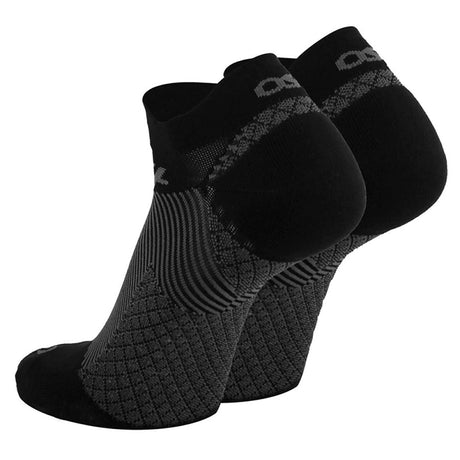

OS1st FS4 No Show Plantar Fasciitis Socks
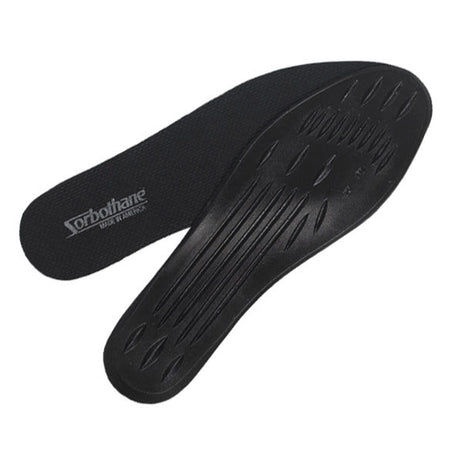
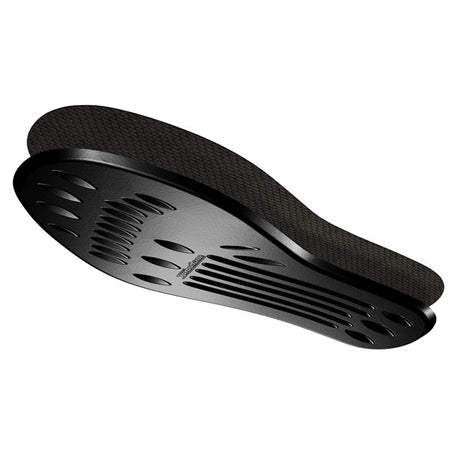
Sorbothane Classic Full Sole Insoles


Superfeet Work Memory Foam Insoles

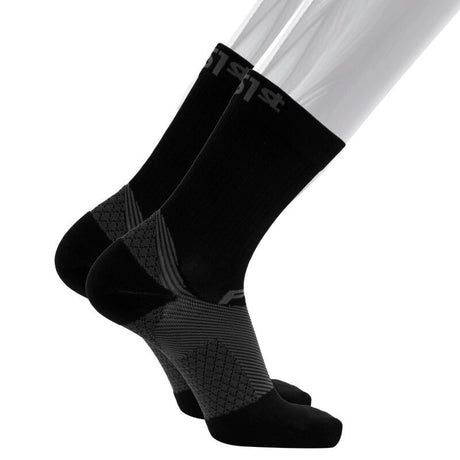
OS1st FS4 Plantar Fasciitis Crew Socks


Sorbothane Ultra Graphite Medium Arch Support Insoles
Basketball is one of the most physically demanding sports for the foot and lower body. The combination of repeated high-impact landings from jumps, explosive lateral cuts, hard stops, and sprints on an unforgiving hardwood or asphalt surface creates a uniquely challenging load pattern. A player landing from a jump absorbs several times their bodyweight through the foot and ankle with each landing, and this happens dozens of times per game. Add lateral cutting forces, the rotational demands of pivoting, and the high cumulative step count of a full game, and the foot is managing a sustained and varied mechanical challenge throughout. The most common injuries in basketball, including plantar fasciitis, Achilles tendinitis, and ankle sprains, all reflect this multi-directional, high-impact load pattern.
Landing from a jump is the highest single-impact event in basketball, and it occurs repeatedly throughout a game. Dedicated heel and forefoot cushioning absorbs the initial spike of impact force at landing, protecting the heel, arch, and joints above from the total shock. High-quality gel and impact-absorbing foam materials go further by returning a portion of that energy into the next movement, supporting the explosive vertical and horizontal movements that basketball demands. For a sport with this many high-impact landings, shock absorption is the most critical insole function.
The foot's arch absorbs and redirects force during cutting, pivoting, and pushing off. Without adequate arch support, the repeated lateral and rotational demands of basketball cause the arch to roll inward excessively, placing strain on the plantar fascia and reducing the efficiency of each cut and jump. A semi-rigid arch support maintains the arch's structure through these high-demand movements, reducing injury risk and supporting the power transfer that explosive athletic performance requires.
Quick directional changes and cutting movements in basketball generate significant lateral forces through the foot and ankle. A structured insole with a deep heel cup and firm midfoot support provides a stable base for these movements, reducing the ankle roll that contributes to lateral sprains. Basketball shoes typically provide substantial ankle support, but the insole's role in stabilizing the foot within the shoe complements this protection.
Dedicated strike pads at the heel and ball of the foot target the two primary impact zones in basketball. The heel takes the majority of the impact on each landing and running step; the ball of the foot bears the load during push-off and the landing phase of jumps when the player absorbs force through a flexed ankle. Insoles with strike pads at both locations provide targeted protection at the highest-load points rather than relying on general footbed cushioning alone.
The essentials: Shock absorption and arch support are the core features for basketball insoles. The high-impact, multi-directional nature of the sport demands both: shock absorption to protect the foot from landing forces, and arch support to maintain alignment through explosive cutting and pivoting movements. Lateral stability features and dedicated strike pads meaningfully enhance both of these primary benefits.
Insoles can reduce the risk of ankle sprains by stabilizing the heel and supporting the arch through the lateral cutting movements that most sprains occur during. A deep heel cup and structured midfoot support limit the inward roll that precedes most inversion sprains. However, insoles are one part of ankle sprain prevention alongside basketball shoes with adequate ankle support, proper conditioning, and movement training. For players with a history of ankle sprains, insoles combined with appropriately supportive footwear provide a meaningful protective benefit.
The insole itself doesn't need to differ, but the demands do vary slightly. Outdoor asphalt courts are harder and less forgiving than indoor hardwood, so outdoor play generates more impact stress per landing. Players who primarily play outdoors benefit from prioritizing cushioning and shock absorption more heavily than players who primarily play on indoor courts. The shoe itself, specifically its outsole durability and traction, matters more for outdoor versus indoor play than the insole does.
Our team is always happy to lend a hand! If you need any help at all, contact us! We can assist with answering product questions, making a product recommendation, helping to place your order, or providing any other assistance you may need.
There don't appear to be any related articles at the moment, but we update our blog with new content regularly. In the meantime, check out these recent posts!