What Is Wear-Molding? How Your Insoles Adapt to Your Feet Over Time
If your new insoles felt a little different on day one than they do now, that's not your imagination — it's wear-molding, a process that happens to every insole you...
Read moreWe're proud to be a top-rated store!



Birkenstock Air Cushion Full-Length Insoles


Superfeet Flex All-Purpose Cushion Insoles
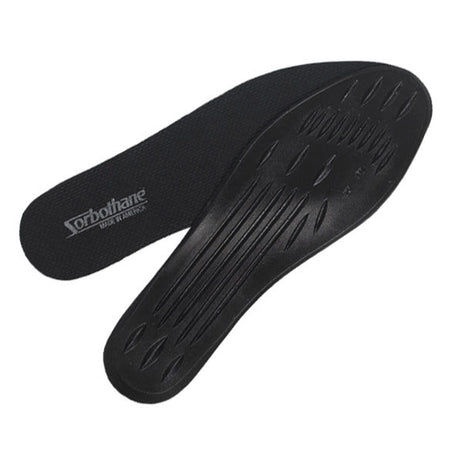
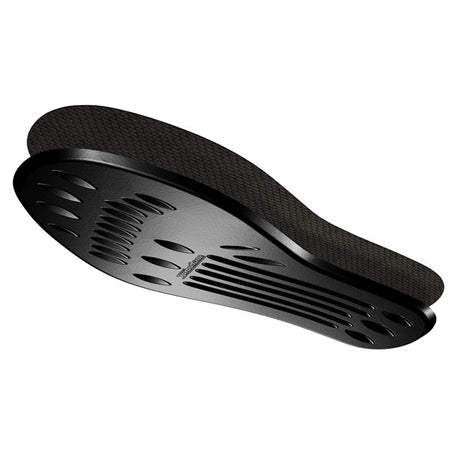
Sorbothane Classic Full Sole Insoles


ProThotics Comfort Gel Insoles


Vionic Relief 3/4-Length Orthotic Insoles


Vionic Active Full-Length Orthotic Insoles


Vionic Relief Full-Length Orthotic Insoles
Construction work is one of the hardest jobs on the feet. Long shifts on concrete and hard ground, the weight of steel-toed work boots, carrying heavy materials, and prolonged kneeling, crouching, and climbing all combine to make construction one of the most physically demanding occupations for the foot and lower body. The hard surfaces of job sites provide no cushioning, and the uneven terrain, debris, and ladders create constant twisting and lateral challenges for the ankle and arch. At the end of a long shift, the foot fatigue, heel pain, and lower back pain that many construction workers experience are direct consequences of hours of mechanical overload in footwear that prioritizes protection over comfort.
Work boots provide excellent ankle and toe protection, but most offer minimal arch support. The heavy, rigid construction of the boot transmits impact and adds weight, making the arch work harder with every step. A structured arch support inside the boot maintains the foot's alignment throughout the shift, reduces plantar fascia strain, and significantly reduces the arch fatigue that accumulates over a full day on a job site. For construction workers who spend significant time on their feet, arch support in work boots is one of the most impactful comfort improvements available.
Concrete and hard ground transmit full impact force to the foot with every step. Work boots add weight that amplifies the effective impact on each footstrike. Dedicated heel cushioning absorbs a significant portion of this force, protecting the heel and lower back from the total impact of thousands of steps per shift on hard surfaces. For construction workers who experience heel pain or lower back pain by the end of the day, heel cushioning in the boot insole is a direct intervention for both problems.
A plush, full-contact footbed distributes pressure across the entire sole, reducing the localized compression that causes the aching, burning pain of prolonged standing and walking on hard ground. Work boot factory insoles are typically thin and minimally cushioned; a quality aftermarket insole with a thick, resilient footbed makes a substantial difference in end-of-shift comfort compared to the boot's standard equipment.
Construction work insoles need to withstand the conditions of work boot use: heavy compression from weight-bearing activity, heat and moisture from long shifts, and the volume constraints of a steel-toed boot interior. An insole that compresses quickly or deteriorates in boot conditions loses its value rapidly. Insoles designed for work boot applications use denser, more durable foam compounds that maintain their cushioning and support properties over months of heavy daily use.
The essentials: Arch support and heel cushioning are the core features for construction work insoles. The hard surface demands of job sites make shock absorption critical; the long shifts make arch support essential for sustained foot health. Durability is a practical secondary requirement: an insole that breaks down quickly under heavy use isn't a worthwhile investment regardless of its initial comfort.
Yes, often significantly. Much of the lower back pain that construction workers experience is a consequence of the impact and alignment stress that originates at the foot. Each footstrike on hard concrete without adequate cushioning transmits impact force up through the ankle, knee, and hip to the lower back. Poor arch alignment compounds this by adding twisting stress through the knee and hip. A supportive insole with dedicated heel cushioning reduces both the impact and the alignment components of this lower body chain, and many workers notice reduced back fatigue alongside improved foot comfort.
More frequently than insoles in lighter-use applications. The combination of heavy bodyweight loading, long shifts, steel-toed boot compression, and heat and moisture degrades cushioning and support properties faster than recreational or office use. Most construction insoles under daily heavy use should be replaced every six to nine months. When the insole shows visible compression in the heel zone or the foot fatigue returns to the level it was before adding the insole, it's time to replace.
Our team is always happy to lend a hand! If you need any help at all, contact us! We can assist with answering product questions, making a product recommendation, helping to place your order, or providing any other assistance you may need.
There don't appear to be any related articles at the moment, but we update our blog with new content regularly. In the meantime, check out these recent posts!