Why Do My Feet Hurt at the End of the Day?
By the time you finally kick off your shoes at night, your feet can feel like they've run a marathon, even if you spent the day behind a desk or...
Read moreWe're proud to be a top-rated store!



ProThotics Semi-Flex Full-Length Insoles
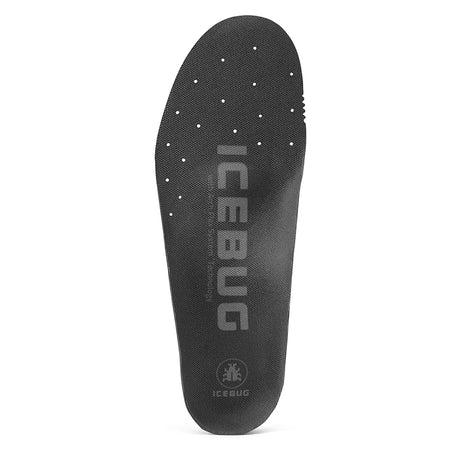
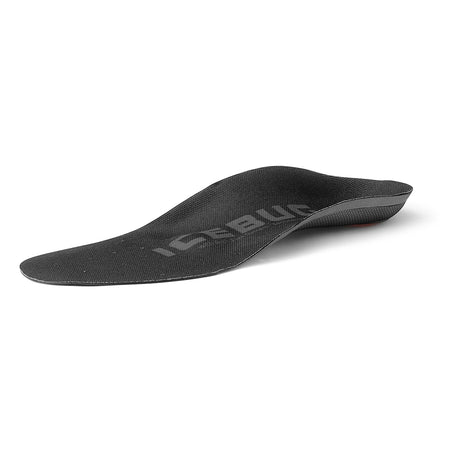


ProThotics Comfort Gel Insoles


Sof Sole Airr Orthotic Performance Insoles


Pedag Viva Orthotic Arch Support Insoles
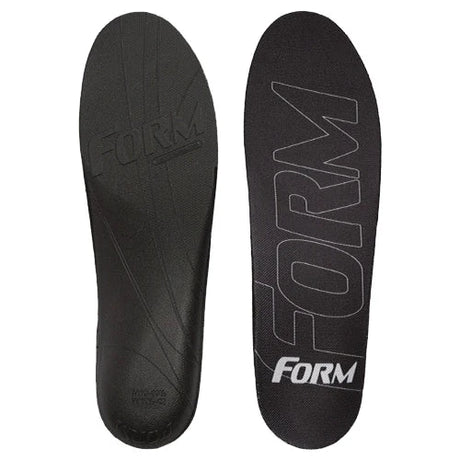

FORM Ultra-Thin Maximum Support Insole


Spenco Total Support Max Insoles


FORM Reinforced Maximum Support Insole


Spenco Total Support Original Insoles


Spenco Full-Length Orthotic Arch Supports


Superfeet Everyday Pressure Relief Insoles
Most people don't have a single demanding activity that causes their foot discomfort. The day is a mix: a commute, errands, hours on your feet at work, a walk, some standing in the kitchen. No single part of the day would be enough to cause problems on its own, but the total load across all of it does. Everyday comfort insoles address this mixed-use reality, providing consistent arch support and cushioning across whatever the day brings. Rather than optimizing for one specific activity, they optimize for the broadest possible benefit across casual footwear, sneakers, and everyday shoes that most people spend the majority of their time in.
Arch support in everyday footwear is the single most effective way to reduce the cumulative foot fatigue that builds across a mixed-activity day. By offloading the muscular work the arch performs with every step and while standing, a supportive insole allows the foot to sustain comfort throughout the day rather than progressively losing resilience from late morning onward. For people with no specific foot condition, a semi-rigid arch support in their everyday shoes provides a baseline of structural support that most casual footwear lacks entirely.
Everyday footwear ranges from moderately cushioned sneakers to barely padded flats, and the foot adapts to whatever surface it's given. Consistent full-footbed cushioning provides a resilient, comfortable surface across all contact points, reducing the diffuse pressure and fatigue that accumulates from prolonged use on hard surfaces. Unlike activity-specific insoles where cushioning needs are concentrated at specific zones, everyday comfort insoles benefit from even cushioning across the entire footbed to handle the varied load patterns of daily life.
An everyday comfort insole that fits a range of casual shoes, sneakers, and boots lets you maintain consistent support regardless of which footwear you choose on a given day. The ability to move an insole between shoes, or to purchase multiple pairs, means the foot gets the same foundation in work shoes as in weekend sneakers. Consistency of support across all footwear is more effective at reducing chronic foot fatigue than having a supportive insole in only one pair of shoes.
The essentials: All-day arch support and full-footbed cushioning are the defining features of an everyday comfort insole. The goal is a versatile, comfortable foundation for the full range of daily activities rather than specialized optimization for any single one. A semi-rigid insole with moderate cushioning and a medium-thickness profile covers the broadest range of everyday footwear and activity needs.
Sport-specific insoles are optimized for the distinct demands of a particular activity: a running insole emphasizes energy return and heel cushioning for the high-impact, forward-direction gait of running; a hiking insole prioritizes twisting stability for uneven terrain. An everyday comfort insole is optimized for versatility, providing balanced support and cushioning across a broad range of lower-intensity, mixed-direction activities. If your days are primarily active in one specific sport or demanding occupation, a more specialized insole will serve you better. If your days are varied, an everyday comfort insole is the more practical and cost-effective choice.
Everyday insoles used across mixed activities typically last six to twelve months depending on use intensity. The clearest signs of replacement are visible compression in the heel or arch zone, a noticeably less cushioned feel compared to when the insole was new, or returning foot fatigue that the insole previously addressed. Because daily-wear insoles are in continuous use rather than periodic athletic use, they typically need replacement more frequently than sport-specific insoles used for discrete sessions.
Our team is always happy to lend a hand! If you need any help at all, contact us! We can assist with answering product questions, making a product recommendation, helping to place your order, or providing any other assistance you may need.
There don't appear to be any related articles at the moment, but we update our blog with new content regularly. In the meantime, check out these recent posts!