
Flat Feet & Fallen Arches
You're currently browsing our entire selection of products suitable for Flat Feet & Fallen Arches. Use the product filters below to narrow your selection, or contact us if you have any questions or for a recommendation. Thank you for shopping with us!
Best for Flat Feet & Fallen Arches

Powerstep Pinnacle Low Insoles

Sof Sole FIT Insoles

Spenco Polysorb Cross Trainer Insoles

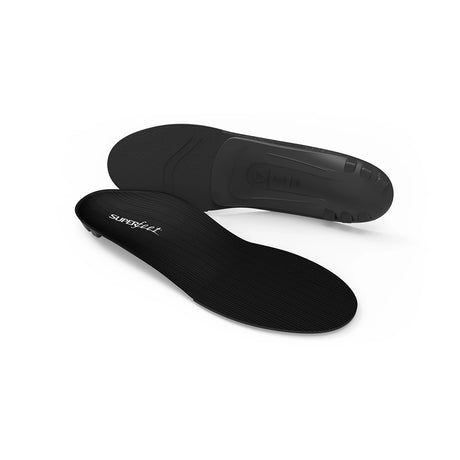
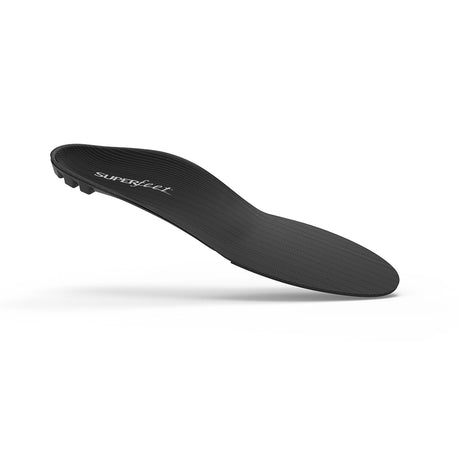
Superfeet Black All-Purpose Support Low Arch Insoles
Powerstep Pinnacle Low Insoles
Sof Sole FIT Insoles
Spenco Polysorb Cross Trainer Insoles
Superfeet Black All-Purpose Support Low Arch Insoles
Shop All for Flat Feet & Fallen Arches
Shop for:

 Popular pick
Powerstep Pinnacle Low Insoles
$54.95Unit price-
New arrival$59.95Unit price
-
From $54.99Unit price
-
Popular pick
Spenco Polysorb Cross Trainer Insoles
$29.99Unit price -
Sof Sole Work Performance Insoles
$29.99Unit price -
Superfeet Black All-Purpose Support Low Arch Insoles
$59.95Unit price -
Popular pick
Sof Sole Arch Performance Insoles
$19.99Unit price -
New arrival$34.99Unit price
-
Sof Sole Athletic + Arch Performance Insoles
$34.99Unit price -
New arrival$59.95Unit price
-
-





The arch of the foot acts as a natural shock absorber and load distributor — it flexes slightly with each step to absorb impact and then springs back to propel the foot forward. When the arch is low or collapses entirely under bodyweight, that shock-absorbing function is reduced, and more of the foot's load shifts to the heel and forefoot with each step. People with flat feet often experience aching in the arch, heel, or the inside of the ankle during prolonged standing or walking, and may notice their feet fatigue more quickly than expected. Over time, flat feet can also contribute to overpronation and the downstream effects on the ankle, knee, and hip alignment.
The product-based approach to flat feet centers on restoring the support the arch is no longer providing naturally. Arch support insoles work by filling the void beneath the arch and providing an upward force that redistributes bodyweight more evenly across the foot. The right amount and stiffness of arch support depends on the individual — too little provides minimal benefit, while too rigid a support on a severely flat foot can cause more discomfort than it resolves.
How to Choose
Support stiffness and arch height. Arch support insoles come in flexible, semi-rigid, and rigid options. For mild to moderate flat feet, semi-rigid supports are the most common starting point — they provide meaningful structure without being uncomfortable underfoot. Rigid supports offer maximum correction and are typically reserved for more pronounced flatfoot with significant overpronation. Flexible supports are the gentlest option and may suit people who've never worn arch supports before.
Arch height match. Some insoles are designed with a specific arch profile (low, medium, or high). For flat feet, a low-arch or universal profile is generally the right starting point — a high-arch insole on a flat foot will create a gap between the insole and the arch of the foot rather than providing contact and support.
Heel cup depth. A deep heel cup cradles and stabilizes the heel, which is particularly important for flat feet because heel instability contributes to the inward rolling (overpronation) that flat arches promote. Insoles with a deep, structured heel cup provide more comprehensive support than those with shallow or soft heel sections.
Full-length vs. 3/4-length. Full-length insoles provide support from heel to toe and are the better choice for flat feet when shoe volume allows. ¾-length insoles are a workable alternative for shoes where a full-length insole won't fit, but they should extend far enough forward to support the arch adequately.
Break-in expectations. If you've never worn arch supports, there is typically an adjustment period of 1–2 weeks as the foot adapts to the new support. Starting with shorter wear sessions and building up gradually helps avoid the soreness that can come from introducing arch support too abruptly.
How Different Products Help with Flat Feet & Fallen Arches
Arch Support Insoles
Arch support insoles are the primary intervention for flat feet. They work by providing an upward-curving surface beneath the arch that fills the space between the foot and the shoe floor, transferring load from the heel and forefoot toward the midfoot where the arch should naturally be bearing it. For flat feet, the combination of arch support and a deep heel cup is particularly important — the heel cup prevents the foot from rolling inward (overpronating), which is the most common downstream effect of collapsed arches. The appropriate stiffness depends on the degree of arch collapse and how much correction the individual can tolerate comfortably. Semi-rigid insoles are the most broadly effective starting point for flat feet — they offer meaningful support without the discomfort that rigid options can cause during the adjustment period.
Orthotic Arch Supports
Orthotic-grade arch supports are stiffer and more corrective than standard cushioned insoles, designed to actively realign foot mechanics rather than simply add padding. For moderate to severe flat feet — particularly those associated with significant overpronation, chronic heel pain, or knee and hip symptoms — a more corrective orthotic may provide greater long-term relief than a softer insole. These products typically have a hard plastic or carbon fiber shell with a cushioned top cover. They are designed to replace the shoe's factory insole and work best in athletic shoes, work boots, or other footwear with a removable insole. If you've tried standard arch support insoles without sufficient improvement, orthotic-grade supports are the logical next step before pursuing custom orthotics.
Frequently Asked Questions
How do I know if I have flat feet vs. just low arches?
Functionally, the distinction matters less than how your feet behave during standing and walking. A simple way to check is the wet footprint test: step onto a piece of cardboard or paper bag with a wet foot. A normal arch leaves a footprint with a clear narrowing at the midfoot. If your footprint shows the full width of your foot from heel to toe with little or no narrowing, you likely have flat feet or very low arches. If you see a slight narrowing but still a connected print, you have low arches. Both benefit from arch support — the difference is mainly in how much stiffness and correction you'll need.
Will arch supports hurt at first?
Some degree of adjustment discomfort is normal, particularly if you've never worn arch supports before. The arch and surrounding muscles are accustomed to working without support, and introducing it creates new loading patterns that can cause temporary soreness. Starting with 1–2 hours of wear per day and gradually increasing over 1–2 weeks is the standard approach. If pain is sharp or worsens after the first week rather than improving, that's a signal the support level or arch height may not be the right match for your foot.
Do I need different insoles for different shoes?
Ideally, yes. Having arch support in your most-worn pairs — especially work shoes, athletic shoes, and any shoe you wear for extended periods — provides the most consistent benefit. Many people find that one or two pairs of insoles cover the bulk of their daily footwear needs. Trim-to-fit insoles help when you need the same insole to work across different shoe shapes.
Are semi-rigid or rigid arch supports better for flat feet?
Semi-rigid supports work well for most people with flat feet and are a more comfortable starting point. They provide meaningful structural support while still flexing naturally with the foot during movement. Rigid supports offer more aggressive correction and are better suited for people with severe overpronation or those who haven't gotten sufficient relief from semi-rigid options. Switching from a semi-rigid to a rigid support is a reasonable progression if the softer option isn't providing enough improvement after a proper break-in period.
Can flat feet be corrected with insoles, or do they just manage the symptoms?
For most adults, arch support insoles manage the symptoms and biomechanical effects of flat feet rather than permanently correcting arch structure. That's still a meaningful outcome — many people with flat feet experience significant relief from pain and fatigue with proper support. The goal with insoles is to provide the support the arch can't provide on its own and reduce the downstream effects on the rest of the body.
Need More Info? Not Sure Where to Start?
You can find our top recommendations at the top of the page. These recommendations are selected based on our overall most-recommended products for Flat Feet & Fallen Arches and are an excellent place to start if you're not sure which products to try first.
Need more help? Our team is here! Simply contact us and we'd be happy to answer any questions you may have or provide you with some product recommendations personalized to your needs!