

We're proud to be a top-rated store!

Browse All Full-Length Insoles

View as


About Full-Length Insoles

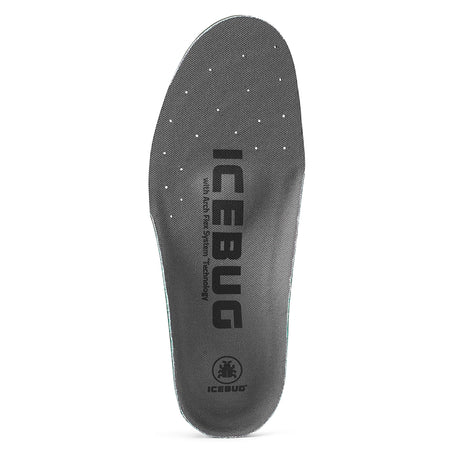
A full-length insole extends from the heel to the tip of the toe, replacing the shoe's existing factory insole and providing a complete, consistent surface for the entire plantar contact area of the foot. This is the most common and versatile insole format, and the right choice for most everyday and athletic footwear with adequate internal volume and removable factory insoles. Full-length insoles offer the broadest range of support, cushioning, and material options of any insole format, and they provide both forefoot cushioning and arch support in a single piece that requires no positioning decisions or adjustments.

The benefits of full-length insoles

  • Complete foot coverage

    A full-length insole supports and cushions every contact point from heel to toe, providing a consistent feel across the entire bottom of the foot with every step. This is particularly relevant for the forefoot and ball-of-foot zones, which a 3/4-length insole doesn't reach. For conditions requiring forefoot cushioning, such as metatarsalgia, Morton's neuroma, sesamoiditis, and ball-of-foot pain, full-length coverage is the appropriate choice. For most everyday comfort applications, the complete coverage of a full-length insole also provides a more uniform and comfortable underfoot feel than the transition zone a 3/4-length insole creates.

  • Direct replacement for factory insoles

    Most everyday and athletic shoes come with a thin, minimally supportive factory sock liner that is designed to be removed and replaced. A full-length insole replaces this liner directly, fitting the shoe's full interior without gaps or adjustments. This simplicity of fit makes full-length insoles the most straightforward insole format to use correctly, with no positioning judgment required beyond removing the factory liner and inserting the replacement.

  • Widest range of support and cushioning options

    Full-length insoles are available across the broadest range of support levels, cushioning densities, materials, arch heights, and specialized features of any insole format. From rigid carbon fiber sport plates to plush gel-and-foam full-footbed designs to thin semi-rigid everyday insoles, the full-length format encompasses the widest selection in every category. Whatever the specific combination of features you're looking for, the full-length format is most likely to offer it.

How to choose a full-length insole

1

Determine your support level

  • For most people seeking everyday support Choose a semi-rigid arch support
  • For flat feet, overpronation, or a specific condition requiring correction Choose a rigid arch support
  • For light support or comfort-focused use Choose a flexible arch support
2

Determine your profile

  • For shoes with removable insoles and adequate internal volume Choose a full-length, medium-thickness insole
  • For athletic shoes with limited volume or performance shoes Choose a full-length, thin insole
3

Determine your cushioning level

  • For maximum impact protection and pressure relief Choose a full-length insole with plush cushioning
  • For a balance of cushioning and structural support Choose a full-length insole with moderate cushioning
  • For structural support with lighter cushioning Choose a full-length insole with firm cushioning

Frequently asked questions

  • How do I know if my shoes can accommodate a full-length insole?

    Remove the factory insole from your shoe. If it comes out cleanly, the shoe is designed to accommodate a replacement insole, and any full-length insole of appropriate thickness will fit. If the factory insole is glued down and can't be removed, a full-length insole on top of it will add significant volume and likely make the shoe too tight. In this case, a 3/4-length insole is the appropriate choice. For shoes with removable insoles, compare the factory insole's thickness to the aftermarket insole you're considering to ensure the replacement won't be significantly thicker.

  • Should I trim a full-length insole to fit my shoe?

    Most foam and gel full-length insoles are designed to be trimmed to fit. They typically come in a size range and include trim lines on the underside as a guide. Trim conservatively: it's easier to trim a little more than to trim too much. The insole should fit from the heel to the toe of the shoe without the toe section folding up against the shoe's interior. For insoles that don't include trim guidance, use the factory insole as a template by tracing its outline and trimming accordingly.

Need more help?

Our team is always happy to lend a hand! If you need any help at all, contact us! We can assist with answering product questions, making a product recommendation, helping to place your order, or providing any other assistance you may need.


Related Blog Articles

10% Discount Applied at Checkout Save 10% automatically for National Play Outside Day, this weekend only!
Free & Fast Shipping Ships free within 24 hours of placing your order.
Wear-Test Guarantee Buy it & try it. Don't love it? We'll exchange it!
Earn Rewards Points Earn rewards points automatically when you purchase!
Buy One, Get One 15% Off Enter coupon code 'BOGO15TODAY' at checkout.
Quick Shipping Ships within 24 hours & free for orders $29.95+
Clearance Item 25% discount applied at checkout. All sales final on Clearance merchandise.
Closeout Item Up to 60% discount reflected in current price. All sales final on Closeout items.
Top-Rated Store
Authorized Retail Partner
Secure Checkout
Dedicated Customer Support
Quick Shipping
Easy Returns & Exchanges