Why Do My Feet Hurt at the End of the Day?
By the time you finally kick off your shoes at night, your feet can feel like they've run a marathon, even if you spent the day behind a desk or...
Read moreWe're proud to be a top-rated store!



Spenco 3/4-Length Orthotic Arch Supports


Superfeet Casual Women’s Easyfit Insoles


Superfeet Casual Men’s Easyfit Insoles


Birkenstock Birko Balance Arch Support Insoles


Sof Sole Full-Length Orthotic Insoles
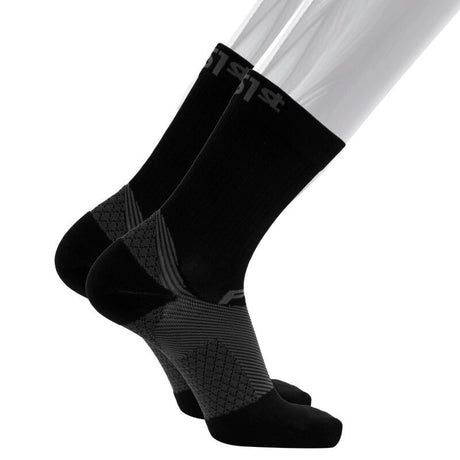

OS1st FS4 Plantar Fasciitis Crew Socks


Sorbothane 3/4-Ultra PLUS Stability Insoles


Sorbothane Ultra Graphite Medium Arch Support Insoles
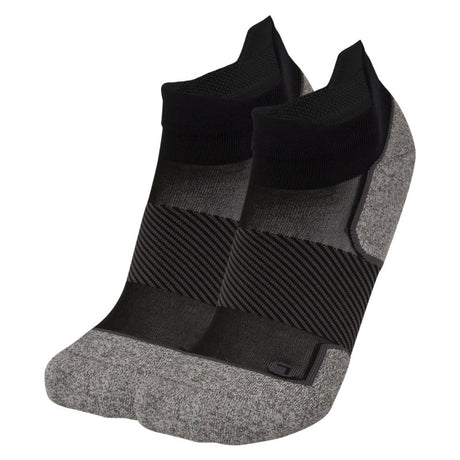
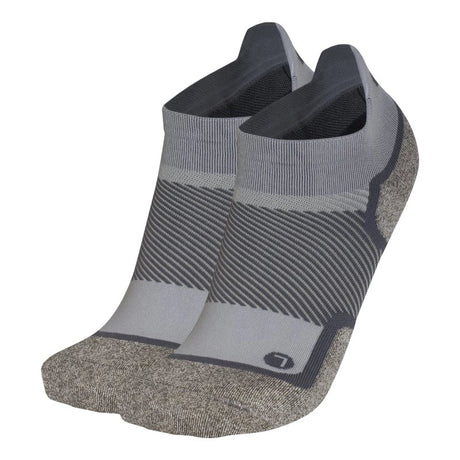
OS1st AC4 Active Comfort Socks - No Show


Spenco 3/4-Length Arch Cushions


Vionic Active Full-Length Orthotic Insoles


OS1st TA4 Thin Air Performance Socks
Golf makes two distinct demands on the feet. First, a full round involves several miles of walking over varied terrain, which accumulates significant fatigue in the foot and lower body over the course of 18 holes. Second, the golf swing requires the foot to generate, transfer, and resist rotational and lateral forces in a precise sequence, with the trail foot driving through the ground during the backswing and the lead foot stabilizing and absorbing the follow-through. Poor foot stability during the swing directly affects both power generation and consistency. Golf shoes are generally more supportive than cleats but still benefit from additional arch support and cushioning, particularly for players who walk the course rather than ride.
The golf swing requires the lead foot to be a stable, planted platform through impact and the follow-through. Arch collapse in the lead foot during the downswing reduces this stability and can cause the knee and hip to shift, affecting swing consistency and power transfer. A structured arch support keeps the lead foot rigid and aligned through the swing, providing a reliable base for the rotational forces the body generates. For the trail foot, arch support facilitates the weight shift during the backswing without allowing the arch to roll inward excessively.
Walking 18 holes typically covers four to six miles, often on uneven terrain. Over this distance, without adequate cushioning and arch support, foot fatigue accumulates progressively and can affect both physical comfort and concentration in the back nine. Full-footbed cushioning and heel cushioning reduce the impact load of each step across the round, maintaining comfort and foot health over the full distance.
A deep heel cup stabilizes the heel during the lateral weight shifts of the golf swing and keeps the foot positioned correctly within the shoe throughout the round. Heel stability is particularly relevant for the lead foot during the downswing, where lateral forces push the heel outward. A well-structured heel cup resists this movement and maintains the foundation the swing requires.
The essentials: Arch support and walking cushioning are the two most important features for golf insoles, addressing both the swing stability and the walking endurance demands of the game. Heel stability through a deep heel cup enhances both. The balance between these features depends on whether swing performance or walking comfort is your primary concern, though a quality insole should deliver both.
Yes, positively. An insole that provides a stable, well-supported base can improve swing consistency by ensuring the foot maintains a neutral, planted position through impact. Arch collapse or heel instability during the swing introduces variable movement in the foot and ankle, which can cause the knee and hip to shift and affect swing mechanics. For players who notice their lead foot rolling inward or their heel lifting during the follow-through, a more supportive insole is worth evaluating as a contributing factor.
The swing-related needs are the same either way, but walking golfers should weight cushioning and fatigue reduction more heavily given the additional mileage. A plush or moderate cushioning insole is more appropriate for walkers, while riders can prioritize swing stability with a firmer cushioning level if preferred. For golfers who sometimes walk and sometimes ride, a moderate cushioning insole balances both demands adequately.
Our team is always happy to lend a hand! If you need any help at all, contact us! We can assist with answering product questions, making a product recommendation, helping to place your order, or providing any other assistance you may need.
There don't appear to be any related articles at the moment, but we update our blog with new content regularly. In the meantime, check out these recent posts!