7 Reasons Your Shoes' Factory Insoles Are Holding Your Feet Back
Try on a new pair of shoes and that thin foam pad under your foot might feel perfectly fine — for about ten minutes in the store. But that factory...
Read moreWe're proud to be a top-rated store!



ProThotics Comfort Gel Insoles


Sof Sole Airr Performance Insoles


Sof Sole Athlete Performance Insoles


Sof Sole Memory Plus Comfort Insoles


Birkenstock Air Cushion Full-Length Insoles
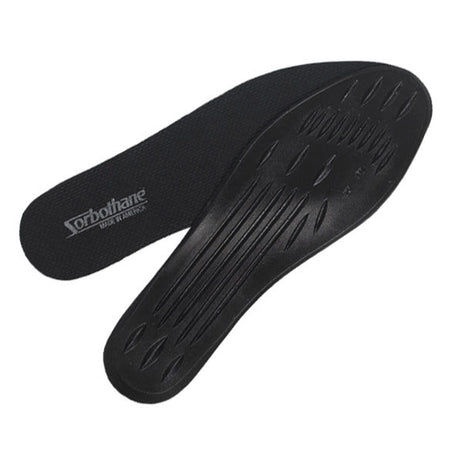
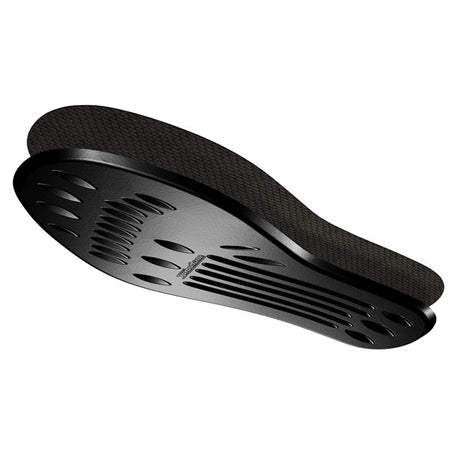
Sorbothane Classic Full Sole Insoles


Sorbothane Maximum Duty Work Insoles


Pedag Lady 3/4 Leather Insoles - Tan



Need help? Want a personalized recommendation?
Our team can help! Contact us or use our Insole Selector Quiz!
Replacement insoles and sock liners serve the most basic function in the insole category: replacing the factory insole that came with a shoe when it has worn out, been damaged, or simply needs refreshing. The factory insoles in most shoes, often called sock liners, are thin foam pads with minimal structure whose primary purpose is to provide a surface between the foot and the shoe interior. They wear out with use, compress permanently over time, and are often the first part of a shoe to fail even when the outsole and upper remain serviceable. Replacing them restores the shoe to functional condition and provides an opportunity to upgrade to a better-performing insole in the same step.
A compressed factory sock liner no longer provides the cushioning it did when the shoe was new. Replacing it with a fresh insole restores the shoe's effective cushioning and underfoot feel, extending the functional life of footwear that still has serviceable upper and outsole components. For athletic shoes in particular, where the midsole foam may still be in reasonable condition while the insole is fully compressed, replacing the insole can meaningfully improve the shoe's overall performance without requiring a full replacement.
Insoles absorb foot sweat and the bacteria and fungi that cause foot odor over time. Factory sock liners that can't be removed for cleaning accumulate this moisture damage progressively. Replacing the insole with a fresh one eliminates the odor source and provides a clean surface for the foot. For shoes worn intensively or in warm conditions, regular insole replacement is a hygiene practice as much as a comfort one.
Replacing the factory insole is also the simplest opportunity to upgrade from minimal sock liner to a more supportive or cushioned aftermarket design. The replacement step requires no additional effort beyond removing the old insole, and upgrading to a quality arch support or cushioned insole at that point provides meaningful comfort and support benefits that the factory liner never offered. For most people, the aftermarket replacement insole is substantially better than the original factory equipment it replaces.
The clearest sign is a change in feel: if your insoles feel noticeably less cushioned than when new, or if foot fatigue and pain that the insoles previously addressed has returned, it's time to replace. Visible signs include permanent compression at the heel zone, cracking or delamination of the materials, and flattening of the arch support structure. As a general guide, insoles under everyday use should be replaced every six to twelve months; insoles under heavy athletic use may need replacement every three to six months.
Yes. Replacing only one insole creates a height and cushioning difference between feet that can cause gait asymmetry over time, potentially contributing to knee, hip, or lower back discomfort. Even if one insole appears to be in better condition, replacing both simultaneously ensures symmetrical support and cushioning.
Yes, and it's recommended. Placing the factory insole against the replacement and comparing size and shape gives you a reliable reference for trimming. Trace the factory insole's outline onto the replacement if trimming is needed, then cut conservatively inside the line to avoid removing too much. Most aftermarket insoles are designed to be trimmed and include size range markings on the underside as trim guides, but the factory insole provides the most accurate template for your specific shoe.
Our team is always happy to lend a hand! If you need any help at all, contact us! We can assist with answering product questions, making a product recommendation, helping to place your order, or providing any other assistance you may need.