Why Do My Feet Hurt at the End of the Day?
By the time you finally kick off your shoes at night, your feet can feel like they've run a marathon, even if you spent the day behind a desk or...
Read moreWe're proud to be a top-rated store!



Birkenstock Air Cushion Full-Length Insoles


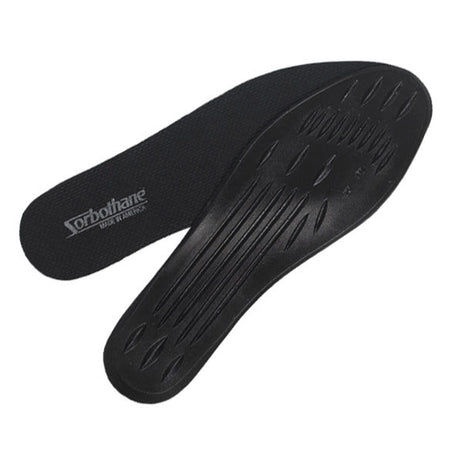
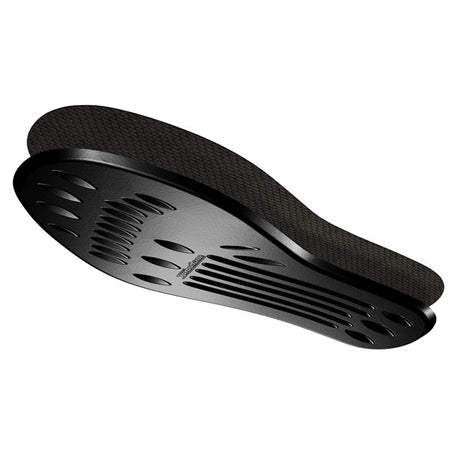
Sorbothane Classic Full Sole Insoles

10 Seconds 3720 Arch Stability Insoles
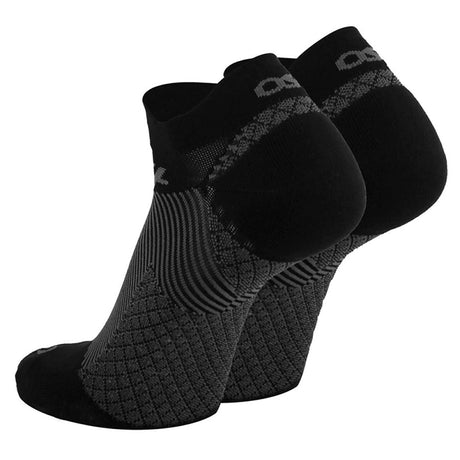

OS1st FS4 No Show Plantar Fasciitis Socks


Sof Sole Full-Length Orthotic Insoles


OS1st KS7 Performance Knee Sleeve


Spenco 3/4-Length Arch Cushions
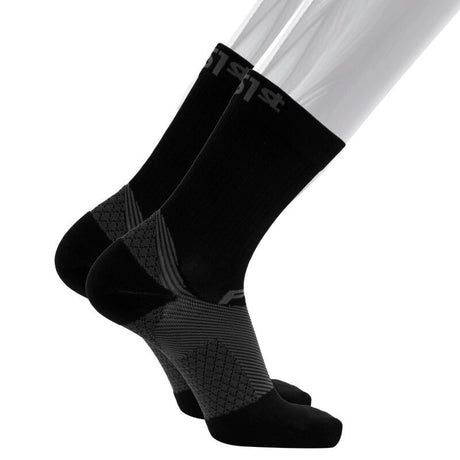
OS1st FS4 Plantar Fasciitis Crew Socks


OS1st TA4 Thin Air Performance Socks


OS1st AF7 Ankle Bracing Sleeve


OS1st TA6 Thin Air Performance Calf Sleeves


Reebok Stabilize Insoles - Men's 3.5-5.5 / Women's 5-7


OS1st FS6 Performance Foot Sleeves
Soccer cleats are designed for ball control and traction rather than foot support, and the combination of a low-cut, tight-fitting design and minimal internal volume leaves the foot with almost no cushioning or arch support. The sport's demands are significant: continuous running, explosive sprinting, sharp cuts, and repeated kicking accumulate thousands of steps per match on hard artificial turf or natural grass. The ball-striking motion places rotational and impact forces on the kicking foot that cleats aren't designed to manage. Common soccer-related foot complaints include plantar fasciitis from arch overload, Achilles tendinitis from the sustained running demand, and forefoot pain from the tight cleat volume compressing the metatarsal heads.
Soccer cleats provide virtually no arch support, leaving the foot to manage the running, cutting, and kicking demands of the sport without midfoot stability. A structured arch support reduces the plantar fascia strain that accumulates over a match, maintains alignment during explosive directional changes, and supports the foot through the rotational demands of kicking. For players with flat feet or overpronation, arch support in cleats is critical given the complete absence of corrective features in the shoe.
The hard, thin construction of soccer cleats transmits significant impact to the foot on every running step and landing. Dedicated heel cushioning reduces this impact load, protecting the heel and lower leg from the total stress of a full match's running distance. On artificial turf, where the surface provides less give than natural grass, heel cushioning in the insole is particularly valuable for managing the harder impact surface.
Soccer cleats fit more tightly than most athletic footwear, particularly at the forefoot and toe box. Any insole used in them must be thin enough not to compromise the snug fit that gives players their ball feel. Thin full-length insoles and 3/4-length insoles are the only practical options for most soccer cleats. The 3/4-length design is particularly useful as it stops before the toes and doesn't affect the forefoot fit that's so important in soccer.
Sharp cuts and directional changes are fundamental to soccer, and the foot needs a stable base to generate and resist the lateral forces these movements create. A structured insole with a deep heel cup provides midfoot and heel stability within the cleat, reducing the ankle instability that contributes to lateral sprains and the arch roll that reduces cutting efficiency.
The essentials: Arch support and a thin, cleat-compatible profile are the core features for soccer insoles. The tight-fitting nature of soccer cleats makes profile the first practical consideration: a thick insole simply won't fit without compromising ball feel. Within the thin profile, arch support and heel cushioning provide the most meaningful performance and comfort benefit.
A thin insole that fits within the cleat's existing volume shouldn't meaningfully affect ball feel. The sensation of ball contact in soccer is primarily transmitted through the toe box and upper of the cleat rather than through the insole. Players who are highly sensitive to changes in cleat feel may notice a subtle difference initially, but most adapt quickly. A 3/4-length insole, which stops before the forefoot entirely, eliminates any potential forefoot feel impact while still providing arch support and heel cushioning.
The support needs are the same, but turf shoes used on artificial surfaces may have slightly more internal volume than traditional cleats, potentially accommodating a slightly thicker profile. The harder surface of artificial turf also warrants prioritizing cushioning more heavily than natural grass play, where the surface provides more natural give. If you play on both surfaces with different footwear, the same insole model will work for both; simply choose the profile that fits the tighter shoe.
Our team is always happy to lend a hand! If you need any help at all, contact us! We can assist with answering product questions, making a product recommendation, helping to place your order, or providing any other assistance you may need.
There don't appear to be any related articles at the moment, but we update our blog with new content regularly. In the meantime, check out these recent posts!