

We're proud to be a top-rated store!

Browse All Thin Insoles

View as


About Thin Insoles

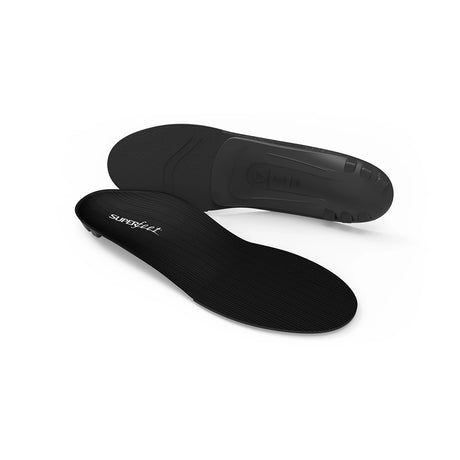
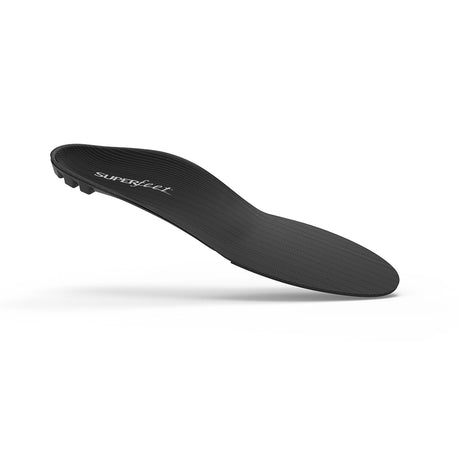
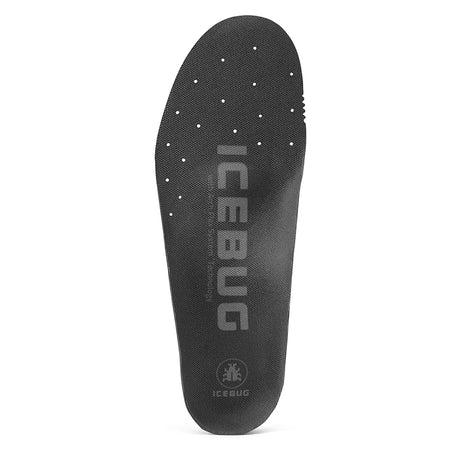
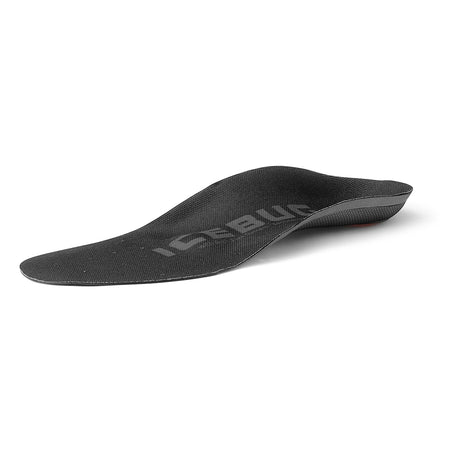
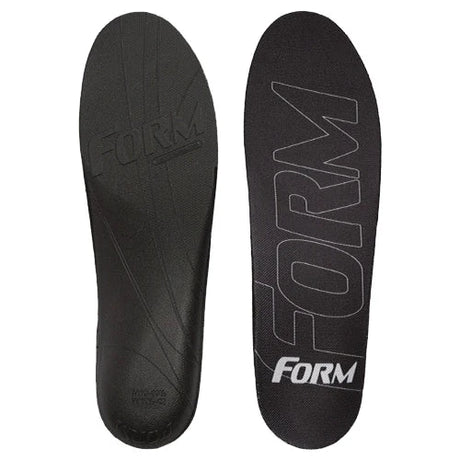
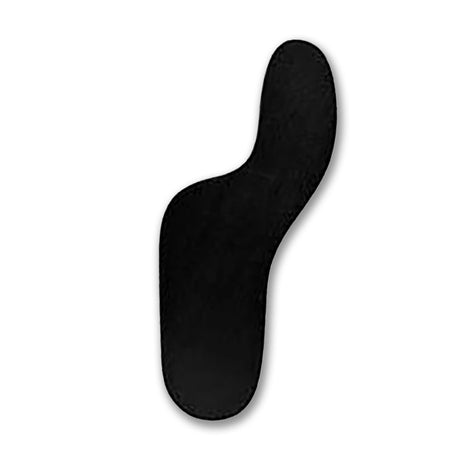
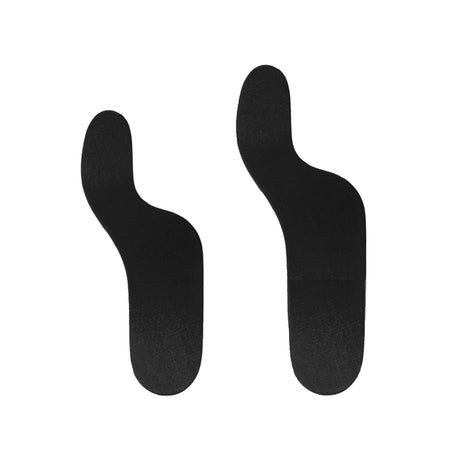
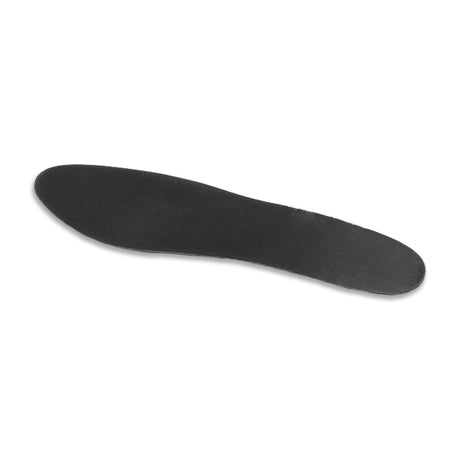
Thin insoles deliver arch support, cushioning, and structural correction in a low-profile format that fits in footwear where standard or thick insoles won't. Most insoles measure 3 to 5mm at the forefoot; thin insoles are typically under 3mm, and the thinnest designs approach 1mm at the forefoot while still providing meaningful structure. The applications are broad: performance athletic shoes, dress shoes, heels, cleats, cycling shoes, hockey skates, and any footwear with tight internal volume all have legitimate need for insoles that provide real support without adding bulk. Thin doesn't mean ineffective; the structural components of a good thin insole, the arch support and heel cup geometry, can be as effective as a thicker design when the materials and construction are matched to the reduced profile.

The benefits of thin insoles

  • Fits where standard insoles can't

    The defining benefit of a thin insole is compatibility with footwear that has no room for a standard design. Dress shoes, cycling shoes, hockey skates, and tight-fitting athletic shoes are all cases where a standard-thickness insole changes the fit unacceptably but a thin insole fits without issue. For people who want consistent foot support across their full range of footwear, thin insoles cover the shoes that thicker designs cannot.

  • Preserves shoe performance feel

    Performance athletic shoes, particularly road running shoes and court shoes, are engineered with specific cushioning and stability characteristics in the midsole and outsole. A thick insole raises the foot significantly within the shoe, changing the effective stack height and altering the shoe's intended performance characteristics. A thin insole adds minimal height, providing arch support and alignment correction without meaningfully changing the shoe's cushioning profile or ground feel.

  • Effective support in a compact format

    The structural components of arch support, the shape and stiffness of the insole's arch zone and heel cup, can be incorporated into a thin profile without compromising their effectiveness. A rigid thin insole can provide the same alignment correction as a thicker rigid design, as the correction comes from the shape and stiffness of the material rather than its depth. The trade-off is cushioning: a thin insole provides less impact absorption than a thicker design, but for applications where cushioning is secondary to support and profile, a thin insole performs the job fully.

How to choose a thin insole

1

Determine your support level

  • For most people using thin insoles in low-volume footwear Choose a semi-rigid thin arch support
  • For flat feet or overpronation in tight-fitting footwear Choose a rigid thin arch support
  • For light support needs Choose a flexible thin arch support
2

Determine your profile

  • For performance athletic shoes, cleats, or dress shoes with removable insoles Choose a full-length thin insole
  • For cycling shoes, skates, or shoes without removable insoles Choose a 3/4-length thin insole

Frequently asked questions

  • Can a thin insole provide the same arch support as a thicker one?

    Yes, for structural support. The arch correction capability of an insole depends on its shape and material stiffness rather than its thickness at the forefoot. A thin rigid insole with the correct arch height contour provides the same alignment correction as a thicker design. What a thin insole sacrifices is cushioning: the reduced material thickness means less impact absorption and less pressure relief. For applications where support is the priority and the shoe itself provides adequate cushioning, a thin insole delivers full structural benefit.

  • Are thin insoles appropriate for people with plantar fasciitis?

    Yes, when the shoe volume doesn't accommodate a thicker design. A thin semi-rigid or rigid insole with the correct arch height provides the arch support that plantar fasciitis management requires, even if it provides less cushioning than a thicker design. The arch support component of plantar fasciitis management, which reduces the pulling force on the fascia by maintaining the arch under load, is fully available in a thin insole format. If the shoe allows a thicker insole, the additional heel cushioning a medium-profile design provides is beneficial, but thin is a fully functional alternative when volume is limited.

Need more help?

Our team is always happy to lend a hand! If you need any help at all, contact us! We can assist with answering product questions, making a product recommendation, helping to place your order, or providing any other assistance you may need.


Related Blog Articles

There don't appear to be any related articles at the moment, but we update our blog with new content regularly. In the meantime, check out these recent posts!

10% Discount Applied at Checkout Save 10% automatically for National Play Outside Day, this weekend only!
Free & Fast Shipping Ships free within 24 hours of placing your order.
Wear-Test Guarantee Buy it & try it. Don't love it? We'll exchange it!
Earn Rewards Points Earn rewards points automatically when you purchase!
Buy One, Get One 15% Off Enter coupon code 'BOGO15TODAY' at checkout.
Quick Shipping Ships within 24 hours & free for orders $29.95+
Clearance Item 25% discount applied at checkout. All sales final on Clearance merchandise.
Closeout Item Up to 60% discount reflected in current price. All sales final on Closeout items.
Top-Rated Store
Authorized Retail Partner
Secure Checkout
Dedicated Customer Support
Quick Shipping
Easy Returns & Exchanges