

Product Recommendation: How to Mitigate Heel Pain During Walking Exercise
Sore heels after your walks? We recommend the best insoles to cushion and support your feet on pavement.
Read moreWe're proud to be a top-rated store!
New Balance Active Cushion Insoles
OS1st AF7 Ankle Bracing Sleeve
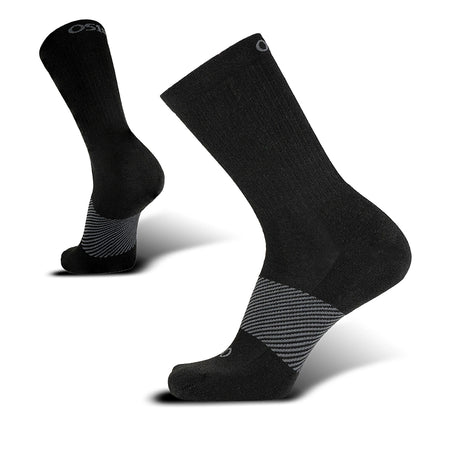
OS1st Wicked Comfort Performance Crew Socks
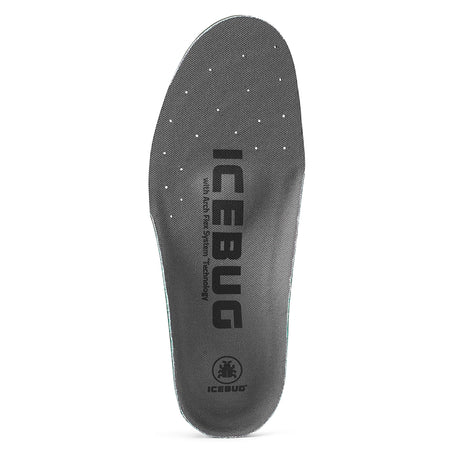
Sof Sole Athletic + Arch Performance Insoles
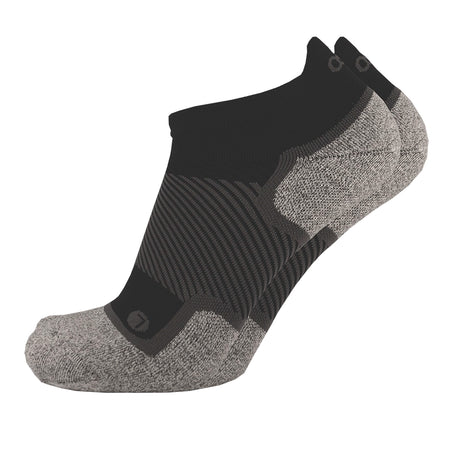
OS1st WP4 Wellness Socks - Crew
OS1st WP4+ Wellness Wide Socks - Crew
OS1st FS6 Performance Foot Sleeves
OS1st KS7 Performance Knee Sleeve
Sof Sole Athlete Performance Insoles

Need help? Want a personalized recommendation?
Our team can help! Contact us or use our Insole Selector Quiz!
Walking is the most common physical activity most people engage in daily, and its repetitive, low-intensity nature means foot problems from inadequate support accumulate gradually rather than suddenly. Each step in the walking walking stride involves a heel strike, a transfer of weight through the midfoot and arch, and a push-off at the ball of the foot. Over thousands of steps per day, small mechanical deficiencies in this cycle compound into arch pain, heel pain, and lower leg fatigue. Hard surfaces, worn shoes, and low-support footwear accelerate this accumulation. Walking insoles address the support and cushioning gaps that everyday footwear leaves, reducing the total load on the foot across the full day's step count.
The arch is the primary load distributor in the walking walking stride, flexing slightly with each step to absorb impact and then rebounding to propel the foot forward. Without adequate support, the arch gradually fatigues over a long walk, losing its spring and leading to the aching, heavy-foot feeling that builds through the day. A structured arch support reduces the muscular work the arch performs with every step, allowing the foot to sustain effort longer before reaching the fatigue threshold. For people with flat feet or overpronation, arch support also corrects the alignment issues that make walking more physically demanding than it needs to be.
The heel strikes first in walking and absorbs the majority of impact with each step. On hard surfaces, whether pavement, tile, or hardwood, this impact is transferred almost entirely to the foot without the ground absorbing any of it. Dedicated heel cushioning absorbs a significant portion of each heel strike, reducing both the peak impact force and the total load that accumulates over thousands of steps. Heel cushioning is particularly important for people with fat pad atrophy, where the foot's natural cushioning is diminished, and for anyone walking significant distances on hard surfaces.
Walking distributes load across the entire bottom of the foot throughout the walking stride, not just at the heel. Full-footbed cushioning provides consistent support from heel to toe, reducing pressure at every point of contact and providing a comfortable, resilient surface for the full range of the walking stride. This is particularly relevant for people who walk for extended periods, where the difference between thin, hard insole surfaces and adequately cushioned ones becomes increasingly apparent over time.
A deep heel cup centers the foot's natural fat pad beneath the heel bone, where it provides maximum cushioning. It also stabilizes the heel's position within the shoe, reducing the micro-movements that cause friction during prolonged walking. For people prone to heel blisters or whose heel tends to slide within their shoe, a well-structured heel cup addresses both the cushioning and the stability component of heel comfort during walking.
The essentials: Arch support and heel cushioning are the two most impactful features for walking insoles. Arch support reduces muscular fatigue; heel cushioning reduces total impact. Full-footbed cushioning and a deep heel cup enhance both effects. Together, these four features provide the complete support package the foot needs to walk comfortably over long distances and extended time.
There's no precise threshold, but most people notice the benefit of insoles most clearly when walking 5,000 or more steps per day on hard surfaces without adequate footwear support. Below that, the total load may not be high enough for the difference to be apparent. For people who walk as part of their job or who regularly take long walks, the difference between adequate and inadequate insole support becomes apparent much more quickly, often within the first day of wearing a well-fitted insole.
Ideally, all shoes you walk significant distances in. The foot doesn't distinguish between shoes, and poor support in dress shoes or casual flats contributes to the same fatigue and pain as poor support in walking shoes. If you spend a meaningful portion of your day in footwear other than your designated walking shoes, extending insole support to those shoes will provide a more complete benefit. For very low-volume shoes, a 3/4-length or thin insole may be needed.
They share the same core features but with different priorities. Running insoles emphasize shock absorption and energy return to handle the higher impact forces of running; walking insoles prioritize cushioning and arch support optimized for the lower but more sustained load of the walking walking stride. Many insoles work well for both activities, but running-specific insoles tend to be more impact-focused than is necessary for everyday walking, while walking-specific insoles may not provide adequate shock absorption for running. If you do both, a versatile semi-rigid insole with moderate cushioning covers both activities adequately.
Our team is always happy to lend a hand! If you need any help at all, contact us! We can assist with answering product questions, making a product recommendation, helping to place your order, or providing any other assistance you may need.