
Socks for Foot Fatigue & Soreness
You're currently browsing our entire selection of socks suitable for Foot Fatigue & Soreness. Use the product filters below to narrow your selection, or contact us if you have any questions or for a recommendation. Thank you for shopping with us!
Shop All Socks for Foot Fatigue & Soreness
Currently shopping for:

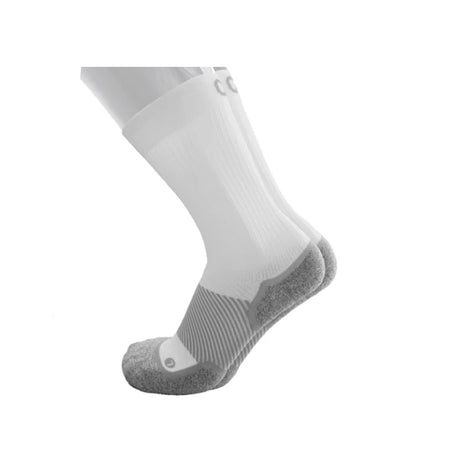

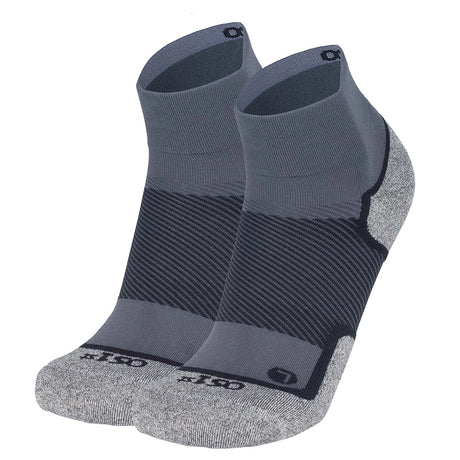


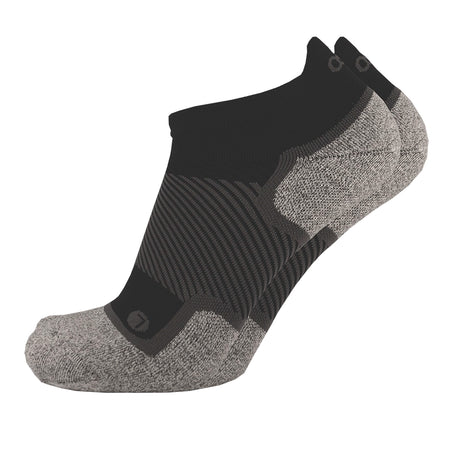

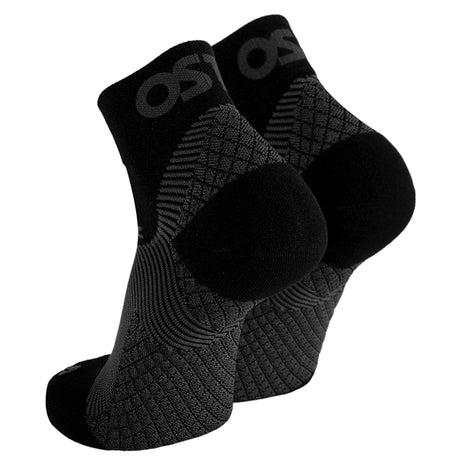
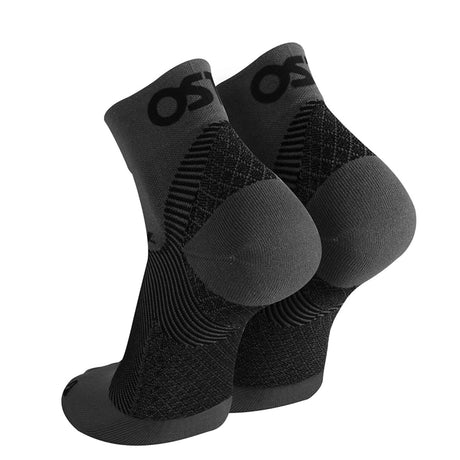
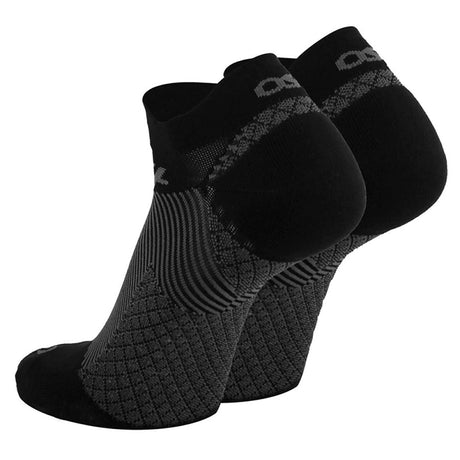

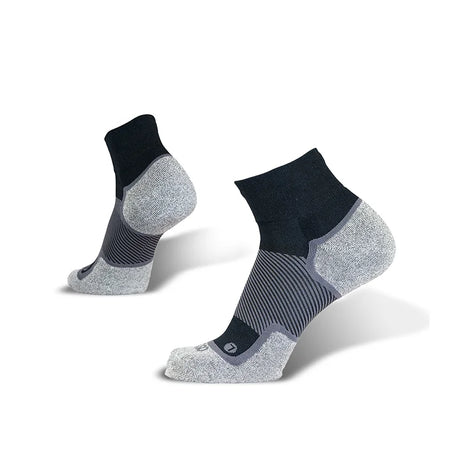
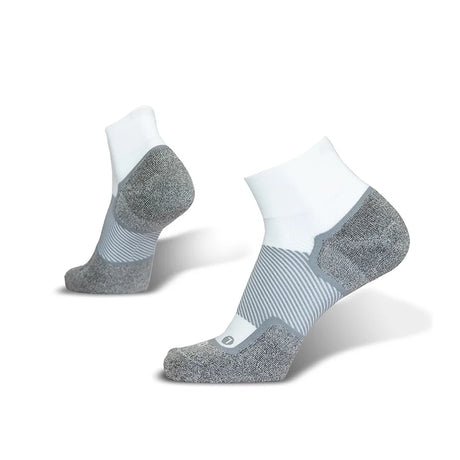
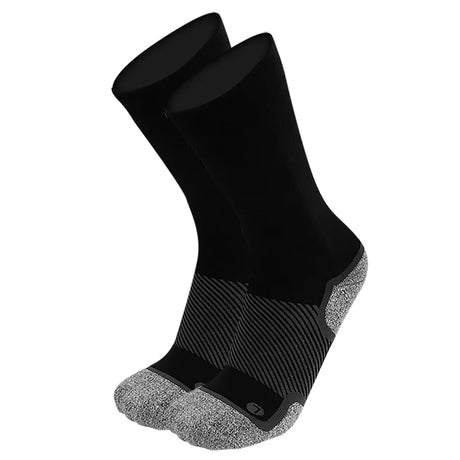


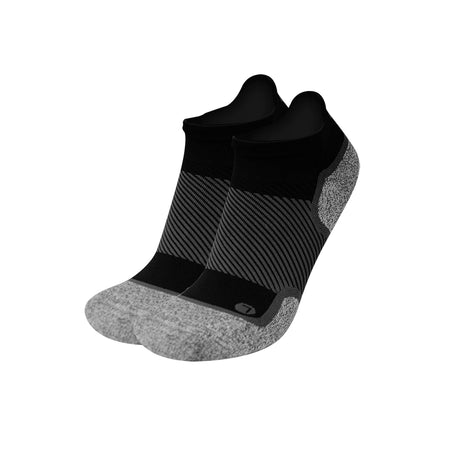

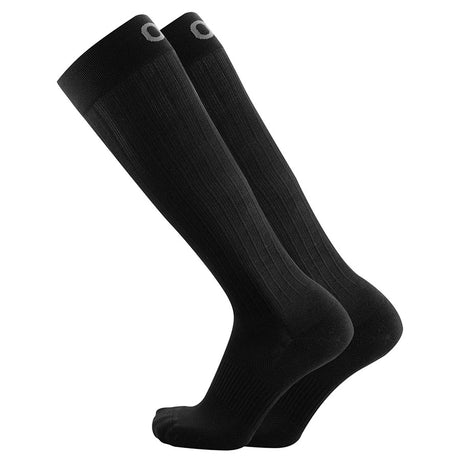

Unlike acute foot conditions with a specific site of injury, foot fatigue and soreness are diffuse — the whole foot aches, feels heavy, or loses resilience as the day progresses. This is the natural result of the foot's muscles, tendons, and connective tissue working harder than their current support system allows. Factory shoe insoles are typically thin, flat, and provide minimal shock absorption or arch support; over hours of standing or walking, the foot absorbs the full impact of each step without help, and fatigue accumulates. People who stand for long hours at work, walk extensively, or wear unsupportive footwear are the most common sufferers — and the solution is almost always some combination of better cushioning and better support.
The product approach to foot fatigue is straightforward: reduce the work the foot has to do with each step. Cushioning insoles absorb shock at the heel and forefoot, while arch support redistributes bodyweight more evenly and reduces the strain on the arch's supporting structures. For many people, upgrading from a flat factory insole to one with both cushioning and arch support is enough to dramatically extend how long they can stay on their feet comfortably.
How to Choose
Cushioning level. The more time you spend on your feet, the more cushioning matters. Thick, shock-absorbing foams — including memory foam, Poron, and gel — make the most noticeable difference for all-day wear. Thinner insoles are acceptable for shorter periods but provide less benefit during extended standing or walking.
Arch support level. Even if your arches aren't a specific problem area, arch support reduces the overall strain on the foot during extended use by improving load distribution. A semi-flexible arch support is a good all-purpose choice for most people dealing with general fatigue; those with flat feet or overpronation will benefit from a more supportive option.
Heel cushioning. The heel absorbs the first and largest impact of each footstrike. Insoles with dedicated heel cushioning — including gel heel pads or thickened heel zones — reduce this impact and prevent the deep heel aching that often develops late in the day during prolonged standing.
Shoe type. Work boots and casual shoes can typically accommodate thicker, fuller-featured insoles. Athletic shoes often already have some cushioning built in, so a mid-weight insole may be sufficient. Dress shoes and flats have limited volume; in these cases, a ¾-length insole or a targeted heel and arch cushion is the more practical choice.
Energy return. Some insoles are specifically designed to return energy with each step rather than simply absorbing it, which can reduce the effort required during extended walking. These are particularly useful for people who cover significant distances on foot during their workday.
How Different Products Help with Foot Fatigue & Soreness
Arch Support Insoles
Full-length arch support insoles address foot fatigue at its source by improving how the foot distributes load during every step. Without arch support, the arch's muscles and connective tissue work continuously to maintain the foot's shape under bodyweight, which contributes significantly to the fatigue that builds over a long day. An insole that provides this support externally allows those structures to work less, extending how long the foot can stay comfortable. The best options for general fatigue combine meaningful arch support with all-over cushioning rather than prioritizing one at the expense of the other. For most people dealing with non-specific foot fatigue, a quality semi-rigid full-length insole is the single most impactful product change they can make.
Heel Cups & Cushions
Heel cups and heel cushions address the specific impact fatigue that develops at the heel — often the first area to become sore during prolonged standing. They work by adding a dedicated cushioning layer directly beneath the heel bone, absorbing the shock of each footstrike before it travels up through the foot and leg. Standalone heel cushions are a useful targeted addition when the rest of the foot feels adequately supported but the heel consistently becomes sore. They can be layered inside shoes alongside an existing insole or used alone when a full insole isn't practical. Gel-based heel cushions tend to provide the most immediate, noticeable relief for acute heel soreness related to fatigue.
Compression Socks
Compression socks address foot and leg fatigue from a circulatory angle rather than a mechanical one. By applying graduated pressure from the ankle upward, they support venous return — the flow of blood back toward the heart — which reduces the pooling and swelling in the lower leg and foot that contributes to the heavy, achy feeling that develops during prolonged standing. They work best when combined with supportive insoles rather than as a standalone solution, and are particularly useful for people who stand on hard floors for long shifts. Graduated compression socks, which apply more pressure at the ankle and less toward the knee, are more effective for circulation support than flat-pressure compression sleeves.
Frequently Asked Questions
Do I need arch support, more cushioning, or both for foot fatigue?
Both, ideally. Cushioning reduces impact shock, which addresses the fatigue that comes from each individual footstrike. Arch support reduces the muscular effort required to maintain the foot's shape under load, which addresses the fatigue that accumulates over hours. An insole that provides both will outperform one that prioritizes just one of these features. If you have to choose one, arch support tends to have a greater long-term effect on foot fatigue, while cushioning provides more immediate comfort.
How do I know if my current insoles are the problem?
The most reliable test is time. If your feet feel fine early in the day and progressively worse over several hours, your insoles are likely not providing adequate support or cushioning to sustain comfort throughout extended use. Take out the factory insoles from your most-worn shoes and compare them against the sole of your foot — most factory insoles are thin, flat, and offer no meaningful arch support, which is often enough to explain day-end foot fatigue.
Are gel insoles better than foam for fatigue?
Not necessarily — it depends on the type of fatigue. Gel insoles provide excellent impact cushioning and feel noticeably softer underfoot, which makes them effective for reducing fatigue from repetitive impact. Foam insoles (particularly high-density or memory foam) tend to be more supportive structurally and hold their shape better over long hours. For all-day wear, a foam insole with a supportive arch and adequate forefoot and heel padding often outperforms a pure gel insole over the course of a full day. Many high-quality insoles combine both materials to capture the benefits of each.
Will compression socks help on their own, or do I also need insoles?
Compression socks and insoles target different aspects of foot and leg fatigue, so they're most effective used together. Compression socks address circulation-related fatigue — swelling, pooling, and that heavy feeling in the legs — but don't change the mechanical load on the foot's arch and heel. Insoles address mechanical fatigue but don't improve circulation. If you're dealing with both types of fatigue (which is common during long shifts on hard floors), combining both products will provide more complete relief than either alone.
How often should I replace my insoles?
Most insoles lose a significant portion of their cushioning and support after 6–12 months of daily use, depending on activity level and body weight. A simple check: if you press a finger into the heel or forefoot zone and the foam springs back immediately, the insole still has life in it. If it stays compressed or feels flat, the cushioning has broken down and replacement will make a noticeable difference. People who stand for long hours daily may need to replace insoles more frequently than occasional users.
Need More Info? Not Sure Where to Start?
You can find our top solutions for Foot Fatigue & Soreness at the top of our primary Foot Fatigue & Soreness page. These recommendations are selected based on our overall most-recommended products for Foot Fatigue & Soreness and are an excellent place to start if you're not sure which products to try first.
Need more help? Our team is here! Simply contact us and we'd be happy to answer any questions you may have or provide you with some product recommendations personalized to your needs!