Why Do My Feet Hurt at the End of the Day?
By the time you finally kick off your shoes at night, your feet can feel like they've run a marathon, even if you spent the day behind a desk or...
Read moreWe're proud to be a top-rated store!



PowerStep Pinnacle Junior 3/4-Length Insoles

10 Seconds 3720 Arch Stability Insoles


Superfeet Orange All-Purpose High Impact Support Insoles


Birkenstock Birko Contact Sport Wide Arch Support Insoles


Birkenstock Birko Balance Arch Support Insoles


PowerStep Pinnacle Heat Moldable Insoles


PowerStep Pinnacle Hiker Insoles


Birkenstock Children's Birko Balance Arch Support Insoles


FORM Narrow Maximum Support Insole


PowerStep Pinnacle Memory Foam Insoles


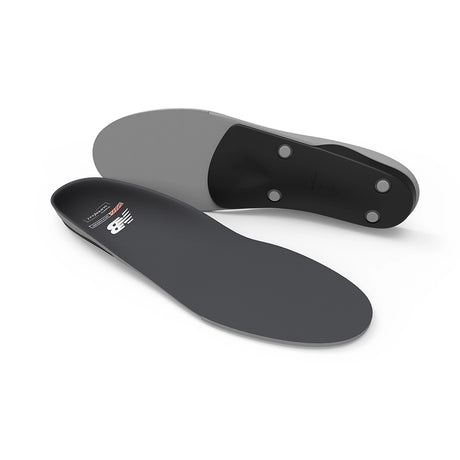
New Balance Arch Support Insoles


Superfeet Casual Women’s Easyfit Insoles
Arch height is the vertical distance from the base of the insole to the peak of the arch support, and it's one of the most important fit variables in insole selection. A high-arch insole is designed for feet whose arch sits significantly above the ground when bearing weight, typically associated with cavus foot, neutral-to-high arch structure, and feet that supinate rather than pronate. Using an arch support that's too low for a high-arched foot leaves a gap beneath the arch, meaning the support doesn't contact the foot and provides no functional benefit. An insole with a correctly matched arch height ensures the support is in full contact with the foot's natural arch contour.
The fundamental requirement of an arch support insole is that it actually contacts the arch. A low or medium-arch insole placed in a high-arched foot leaves a gap at the peak of the support that the arch bridges over rather than resting on. This gap means the insole provides no meaningful arch support. A high-arch insole fills this gap, ensuring the support surface is in continuous contact with the arch throughout standing and the walking stride.
High-arched feet tend to bear weight primarily on the heel and the ball of the foot, with less load distributed through the midfoot arch than a neutral foot. This concentrates pressure at both ends and can lead to heel pain, metatarsal pain, and lateral foot fatigue. A high-arch insole that fills the arch gap shifts some of this load to the midfoot, reducing the pressure concentration at the heel and forefoot and providing a more even distribution across the bottom of the foot.
High-arched feet commonly supinate, rolling outward during the walking stride rather than absorbing impact through inward pronation. This lateral loading pattern places excess stress on the outer ankle and foot. A well-fitted high-arch insole with a structured heel cup supports a more neutral foot position, reducing the excessive outward roll and the ankle instability that supination causes.
The wet foot test provides a quick visual guide. Wet the bottom of your foot and step firmly on a piece of cardboard or paper. A high arch leaves a footprint with a very thin or completely absent band connecting the heel and forefoot, sometimes showing only the heel and ball with a gap in between. If your footprint shows this pattern, a high-arch insole is likely appropriate. A gait analysis at a running specialty store or a podiatrist's assessment provides the most reliable determination.
Yes. An arch support that exceeds the foot's actual resting arch height creates pressure under the arch rather than supporting it, which is painful rather than supportive. Arch height needs to match the foot's natural contour: the support should fill the space under the arch without pushing the arch upward or creating focal pressure. If a high-arch insole feels like it's pressing painfully against the arch, it's likely too high for that foot. In this case, a medium-arch design that contacts the arch more gently is the correct choice.
Our team is always happy to lend a hand! If you need any help at all, contact us! We can assist with answering product questions, making a product recommendation, helping to place your order, or providing any other assistance you may need.
There don't appear to be any related articles at the moment, but we update our blog with new content regularly. In the meantime, check out these recent posts!