
Arch Supports for Shin Splints
You're currently browsing our entire selection of arch supports suitable for Shin Splints. Use the product filters below to narrow your selection, or contact us if you have any questions or for a recommendation. Thank you for shopping with us!
Shop All Arch Supports for Shin Splints
Currently shopping for:


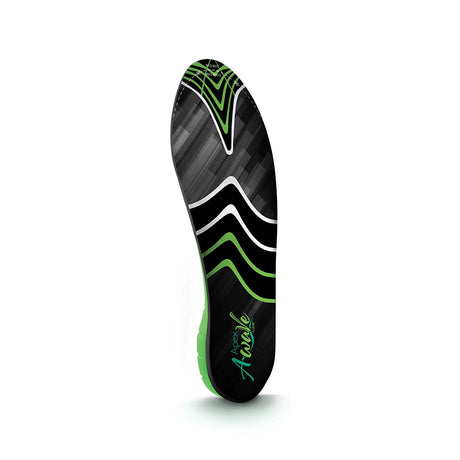
Apex A-Wave Firm Orthotic Support Insoles
$36.70Unit price /Unavailable-
Up to 60% off
Protalus T100 Orthotic Insoles
$21.75$54.95Unit price /Unavailable -
![CURREX HockeyPro Insoles High Arch Insoles]()
![CURREX HockeyPro Insoles Medium Arch Insoles]() $54.95Unit price /Unavailable
$54.95Unit price /Unavailable -
 60% off
Spenco Ironman Train Performance Insoles #0: Women's 3-4
$19.75$49.99Unit price /Unavailable -
 Up to 60% off
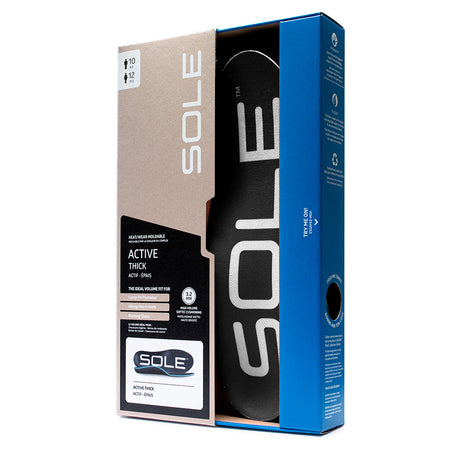
SOLE Active Thick Custom Footbeds
$21.75$55.00Unit price /Unavailable -
Up to 60% off
DoctorInsole MultiStep Orthotic Insoles for Men
$25.75$64.99Unit price /Unavailable -
Pedag Sneaker Magic Step Insoles
$30.00Unit price /Unavailable -
Vionic Relief Full-Length Insoles for Women
$39.95Unit price /Unavailable -
60% off
SOLE Active Thick Footbeds - Women's 5
$21.75$55.00Unit price /Unavailable -
60% off
Spenco Ironman Race Performance Insoles - #0: Women's 3-4
$19.75$49.99Unit price /Unavailable






What are shin splints?
Also known as Tibial Stress Syndrome, shin splints refers to pain in the lower leg, and is most commonly found near or on the shin bone. The pain is accompanied by small tears in the muscles or tendons where they are attached to the bone. The muscles or tendons affected can surround the shin bone at any angle – front, back or side.
Overstressing the muscles attached to the shin is what causes the pain. Thus, pain doesn’t usually exist until activity starts, such as walking or running.
What are the most common causes of shin splints?
Shin splints are caused by the stresses of improper running technique, such as running on concrete surfaces or running uphill. It can also be found in ballerinas who are constantly on the balls of their feet and jumping frequently as they dance.
Athletes who are wearing improperly-fitted athletic shoes also may develop shin splints. Worn-out shoes have lost their support and ability to absorb some of the compressive forces the foot deals with in everyday life – and make it easy to develop shin splints.
Flat feet or high arched feet may also predispose a person to this condition, as can Over-Pronation.
How are shin splints treated?
The most important line of defense against shin splints is proper support for the feet. Wearing proper shoe wear, proper running techniques, and proper orthotic arch supports in the shoes will give the feet the support they need to treat shin splints. If Over-Pronation is the cause of shin splints, seek medical care or at least additional help in determining what to do to customize the shoe to your foot to correct the biomechanics.
Since shin splints involve inflammation and torn tissue, using ice packs and eating properly to regenerate the tissue is a must to totally heal the shin splints. Cold laser treatment, ultrasound therapy, massages with trigger point release, and hot packs may also speed up recovery.
How are shin splints prevented?
Stretching before activities that can be hard on the muscles and tendons attaching to the shin bone may help with prevention, but avoiding the activities that caused the shin splints is important for healing to begin. Strengthening the muscles of the lower leg also may be quite helpful, as this can correct any biomechanical issues that arise from muscle imbalance.