
Insoles for Metatarsal Pain & Metatarsalgia
You're currently browsing our entire selection of insoles suitable for Metatarsal Pain & Metatarsalgia. Use the product filters below to narrow your selection, or contact us if you have any questions or for a recommendation. Thank you for shopping with us!
Shop All Insoles for Metatarsal Pain & Metatarsalgia
Currently shopping for:

![PowerStep Pinnacle Plus Met Insoles flex]()
![PowerStep Pinnacle Plus Met Insoles outside profile]()
![PowerStep Pinnacle Plus Met Insoles inside profile]()
![PowerStep Pinnacle Plus Met Insoles left insole top]()
![PowerStep Pinnacle Plus Met Insoles right insole top]()
![PowerStep Pinnacle Plus Met Insoles right insole bottom]()
![PowerStep Pinnacle Plus Met Insoles left insole bottom]()
![PowerStep Pinnacle Plus Met Insoles rear view]()
![PowerStep Pinnacle Plus Met Insoles arch profiles]()
 Popular pick
PowerStep Pinnacle Plus Met Insoles
$57.95Unit price-
![New Balance Metatarsal Support Insole Top]()
![New Balance Metatarsal Support Insoles Bottom]()
![New Balance Metatarsal Support Insoles Angled view]()
New Balance Metatarsal Support Insoles
$64.95Unit price -
Popular pick
10 Seconds 3030 Pressure Relief Insoles with Metatarsal Support
$39.99Unit price -
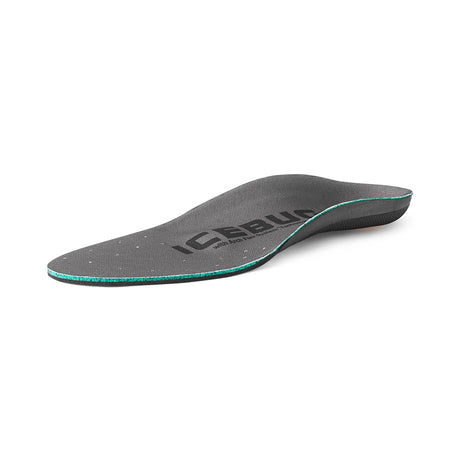
![Icebug Comfort Insoles - Charcoal profile]() $64.95Unit price
$64.95Unit price -
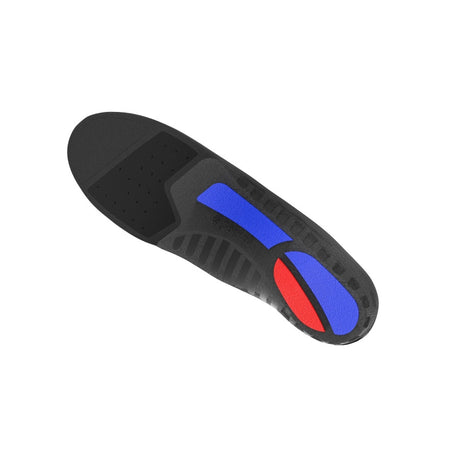
![Spenco Total Support Max Insoles bottom]()
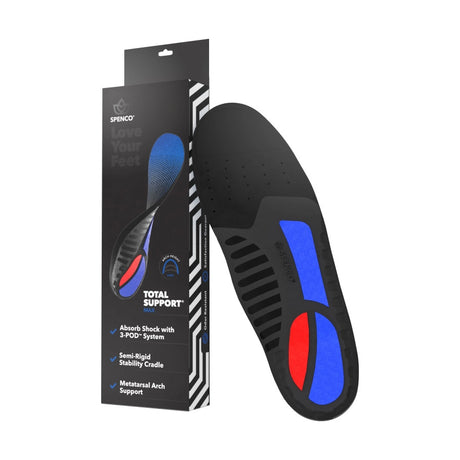
![Spenco Total Support Max Insoles profile]()
![Spenco Total Support Max Insoles twist]()
Spenco Total Support Max Insoles
$49.99Unit price -
![OC9 Support Insole]()
![OC9 Support Insole]()
![OC9 Support Insole]()
![OC9 Support Insole]()
![OC9 Support Insole]()
![OC9 Support Insole]()
![OC9 Support Insole]()
![OC9 Support Insole]()
![OC9 Support Insole]()
![OC9 Support Insole]()
![OC9 Support Insole]() New arrival$34.99Unit price
New arrival$34.99Unit price -
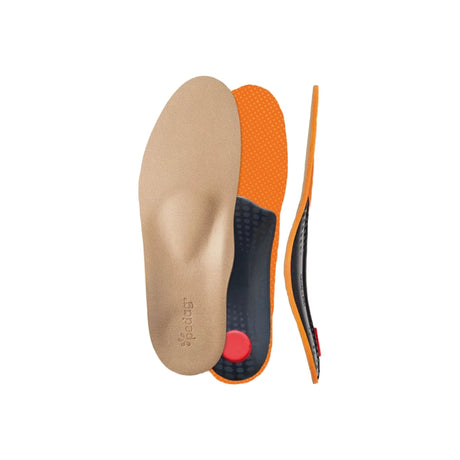
![Pedag Magic Step Plus Insoles features]()
![Pedag Magic Step Plus Insoles close up of met pad]()
![Pedag Magic Step Plus Insoles close up of cushion and heel cup]()
![Pedag Magic Step Plus Insoles heel plug]()
![Pedag Magic Step Plus Insoles heel plug close up]()
 Popular pick$29.99Unit price
 -
10 Seconds 3210 Motion Control Insoles
$49.99Unit price -
![Pedag Comfort Leather Insoles profile]()
![Pedag Comfort Leather Insoles placement]()
![Pedag Comfort Leather Insoles features]()
![Pedag Comfort Leather Insoles angle]()
![Pedag Comfort Leather Insoles met pad]()
![Pedag Comfort Leather Insoles bottom]()
![Pedag Comfort Leather Insoles logo]() $20.00Unit price
$20.00Unit price -
![Birkenstock BirkoBalance Arch Support Insole Side Profile]()
![Birkenstock BirkoBalance Arch Support Insole Top Cover]()
![Birkenstock Sizing Chart]()
Birkenstock Birko Balance Arch Support Insoles
$61.95Unit price -
![Birkenstock Tradition Blue Footbed Arch Support Insole Side Profile]()
![Birkenstock Tradition Blue Footbed Arch Support Insole Top and Bottom]()
![Birkenstock Tradition Blue Footbed Arch Support Insole Top View]()
![Birkenstock Sizing Chart]()
Birkenstock Tradition Blue Footbed Arch Support Insoles
$61.95Unit price -
![Birkenstock Birko Contact Sport Wide Arch Support Insole Side Profile]()
![Birkenstock Birko Contact Sport Wide Arch Support Insole Top]()
![Birkenstock Birko Contact Sport Wide Arch Support Insole Detail]()
![Birkenstock Sizing Chart]()
Birkenstock Birko Contact Sport Wide Arch Support Insoles
$71.95Unit price
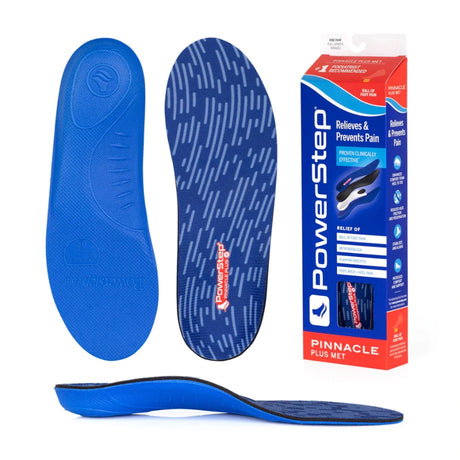
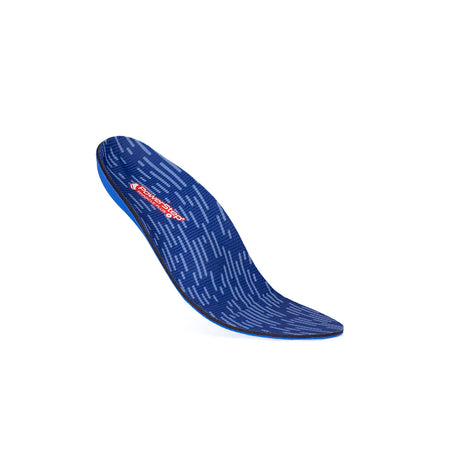


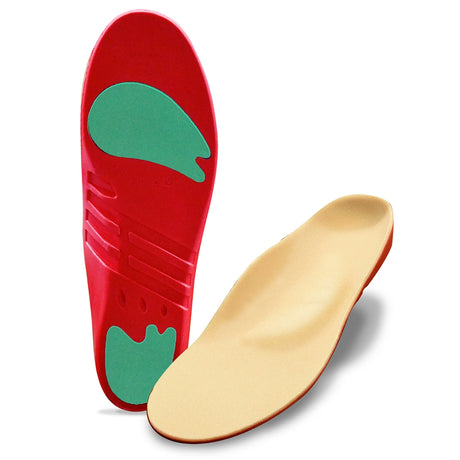
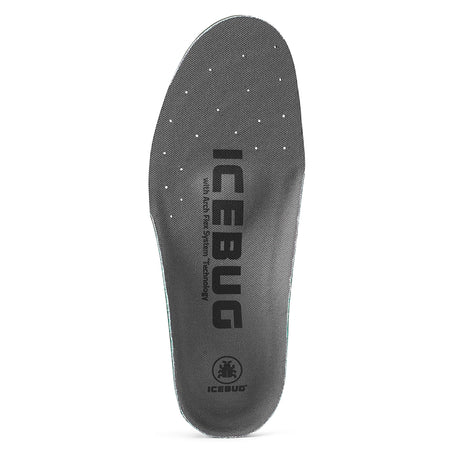


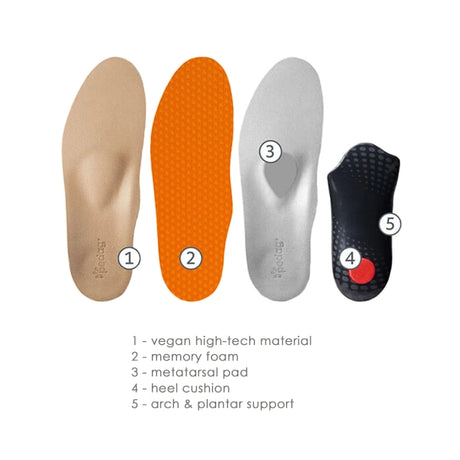


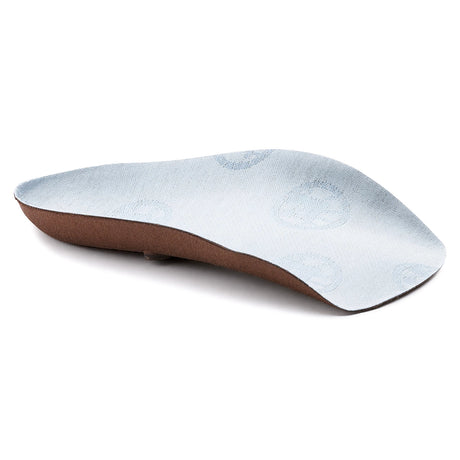
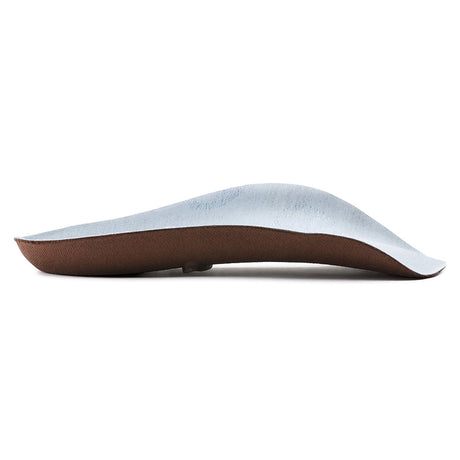


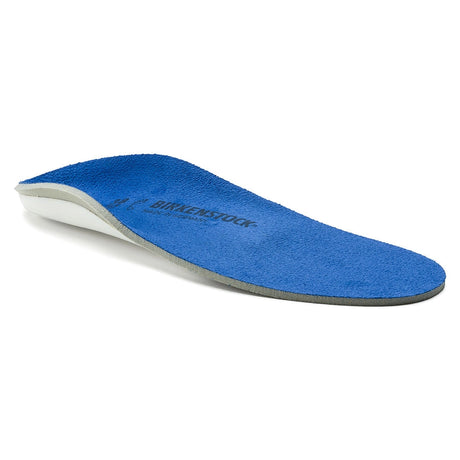
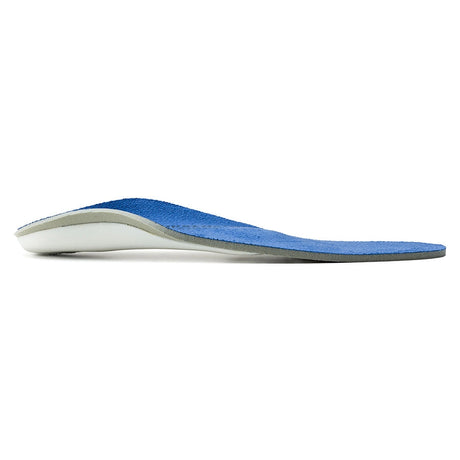


Metatarsal pads, insoles, and inserts that are designed to cushion and support the forefoot, which can help prevent and relieve the painful symptoms of Metatarsalgia, Morton's Neuroma, Sesamoiditis, Splayfoot, or other forefoot pain. Metatarsal insoles and inserts feature a thick and/or raised metatarsal pad to help support your transverse arch, provide cushion for your ball-of-foot, and help hold your forefoot in a natural resting position while supporting the metatarsal bones of your feet.
What is metatarsalgia? What are symptoms of metatarsal pain?
Metatarsalgia is a foot condition characterized by pain and inflammation in the forefoot, particularly around the ball-of-foot and metatarsals. This causes the forefoot, especially the area between the toes and the arch, to become extremely sore, and in some cases, the soreness is secondary to sharp pain.
For most people, this begins as a discomfort rather than pain and is often described as feeling like having a pebble stuck under the foot. Over time, this can escalate into persisting soreness/aching, or in the worst cases a burning sensation, numbness, or sharp pains.
What causes metatarsalgia/metatarsal pain?
Metatarsalgia and metatarsal pain has a number of causes, but generally speaking the most common causes all involve putting excess strain on the metatarsals of the foot:
- High-impact activities such as running and jumping, especially if the foot is not properly supported and cushioned.
- Tight-fitting footwear that squeeze or compress the forefoot and/or toes, such as high heels, narrow dress shoes, and shoes with pointed toes.
- Foot conditions such as bunions, hammertoes, or cavus foot, which can alter the shape of the foot and put extra strain on the metatarsals.
- Inflammation from conditions such as gout or arthritis can cause pain and inflammation of the metatarsals.
- Excess strain on the foot due to lack of support, excess weight, and similar, especially if the foot is not properly supported or cushioned.
How to treat and prevent metatarsal pain?
To alleviate and prevent metatarsalgia and metatarsal pain, we first want to remove any undue strain on the forefoot. To do this:
- Avoid wearing any shoes that are particularly tight, or which squeeze the toes.
- Add a metatarsal pad or metatarsal insole to your shoes to provide extra support for the metatarsals.
- Provide sufficient ball-of-foot cushioning to your shoes to ensure that you have sufficient pressure and shock absorption.